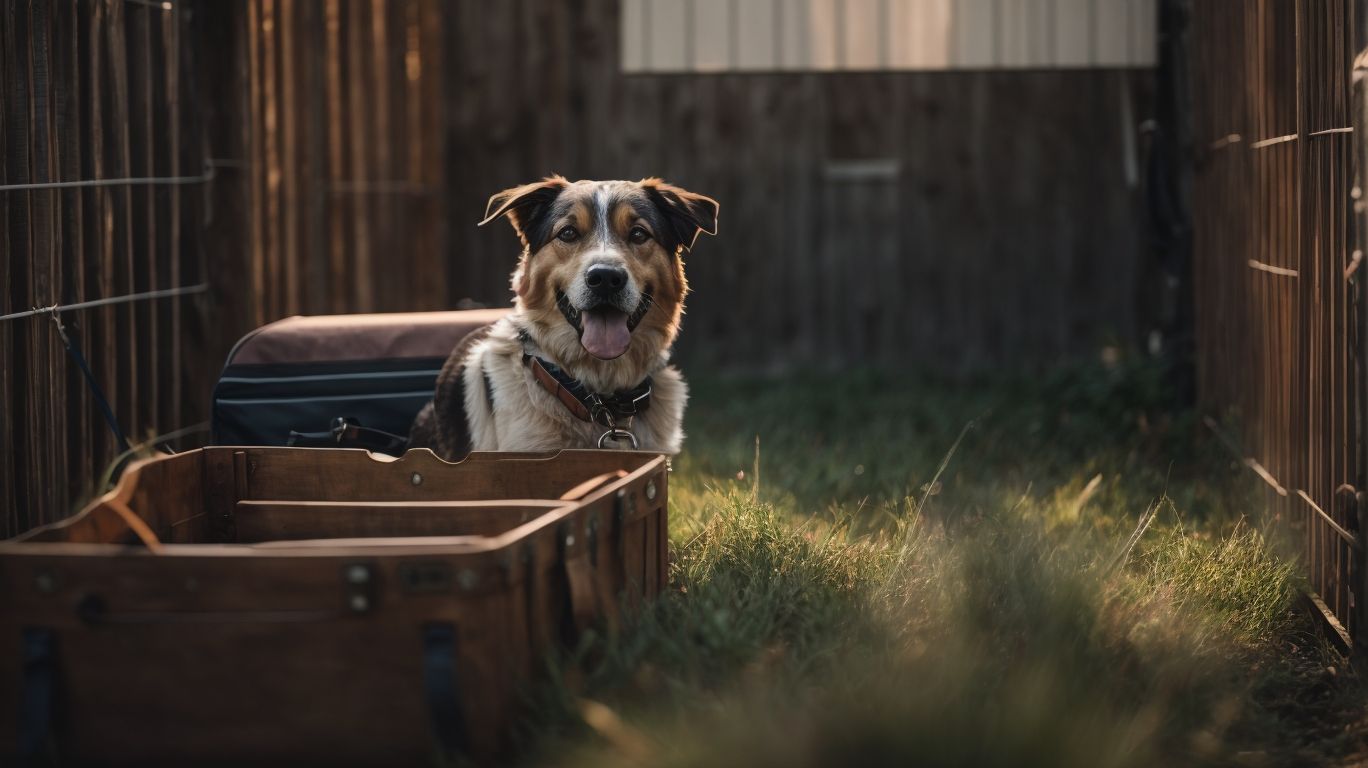


Are you considering a move to a new state and wondering how to ensure a smooth and stress-free journey for your furry companion? Pet travel logistics can be a complex and daunting task, but with the right knowledge and preparation, you can confidently navigate the process. In this comprehensive guide, we will delve into the general recommendations for pet transport, including in-cabin and in-hold travel, as well as essential tips for ensuring your pet’s safety, comfort, hydration, and nutrition during the journey.
We will also explore the importance of packing light, using leashes and identification, and managing time zone changes for your pets. We’ll discuss the benefits of traveling with companions to provide your pet with comfort and companionship. We will highlight the regulations for interstate pet movement and provide valuable resources to aid you in planning a successful and stress-free relocation for your beloved pet.
Whether you’re moving across the country or simply planning a vacation with your pet, this article will equip you with the knowledge and insights needed to navigate the complexities of pet travel with confidence. So, let’s dive into the logistics of pet travel and ensure a safe, comfortable, and enjoyable journey for your four-legged friend.
Key Takeaways:
Understanding the Logistics of Pet Travel
Understanding the logistics of pet travel is crucial for pet owners who wish to ensure the safety and comfort of their furry companions during journeys by air, sea, or land.
In terms of air travel, pet owners must adhere to specific airline regulations regarding pet carriers, documentation, and health requirements. It’s essential to select a pet-friendly airline and consult with the airline in advance to understand their pet travel policies.
For sea travel, researching pet-friendly cruise lines or ferries is key. Different modes of sea transport have varying pet accommodation options, and pet owners should consider the duration of the journey and the availability of pet-friendly facilities on board.
On land, whether traveling by car, train, or bus, pet safety is of utmost importance. Pet owners should ensure that their pets are securely restrained during transport and plan for frequent breaks to allow pets to stretch, hydrate, and relieve themselves.
General Recommendations for Pet Transport

In terms of pet transport, adhering to the regulations, ensuring the availability of a health certificate , and prioritizing the comfort and safety of pets are essential considerations for a smooth and stress-free journey.
Ahead of planning pet transport, it’s crucial to familiarize yourself with the regulations of the destination country or state. Each region may have specific requirements regarding vaccinations, microchipping, or quarantine periods.
An official health certificate issued by a licensed veterinarian is often mandatory for interstate or international travel. It’s advisable to research and comply with airline or transportation company policies to guarantee a hassle-free experience.
Ensuring Pet Safety during In-Cabin Travel
In-cabin travel poses unique challenges and opportunities for pet safety , as pet owners must navigate airline regulations, cabin accommodations, and pet carrier suitability to ensure a secure and comfortable journey for their pets.
When preparing for in-cabin pet travel, it’s crucial to acquaint yourself with each airline’s specific policies regarding pet transportation. These guidelines usually include the size and type of pet carriers permitted in the cabin, weight limits for pets, and any additional documentation required. Understanding these regulations beforehand can help you select an airline that best accommodates your pet’s needs, ensuring a smooth and stress-free journey.
Familiarizing yourself with the layout of the cabin and seating arrangements is essential for choosing the most suitable spot for your pet’s carrier. Consider factors such as legroom, under-seat space, and proximity to any potential obstructions. Each of these aspects can significantly impact your pet’s comfort during the flight.
The pet carrier itself plays a critical role in ensuring the safety and well-being of your pet. It must comply with the airline’s requirements and provide sufficient ventilation, durability, and security. Selecting a carrier that is well-suited for in-cabin travel can contribute to a more pleasant experience for both you and your pet.
Optimizing Pet Comfort during In-Hold Travel
For pets traveling in the cargo hold, optimizing comfort becomes a priority, necessitating proper pet carrier selection, adherence to regulations, and proactive measures to mitigate stress and discomfort during the journey.

One of the primary considerations when preparing for in-hold pet travel is the selection of the carrier that not only conforms to airline guidelines but also provides a familiar and secure environment for the pet. Ventilation, size, and sturdiness of the carrier are crucial factors to ensure the pet’s well-being. Acclimating the pet to the carrier in advance can help reduce anxiety during the journey.
It’s essential to stay informed about the specific regulations and requirements imposed by different airlines or countries to avoid any last-minute complications. This includes documentation, weight limits, and any necessary health certifications for the pet. Compliance with these regulations is essential for a smooth and stress-free travel experience.
Incorporating familiar scents, favorite toys, and comfortable bedding inside the carrier can provide added reassurance to the pet amidst the unfamiliar environment of the cargo hold. Calming aids approved by veterinarians can also aid in reducing the pet’s anxiety, promoting a more relaxed journey.
Proper Hydration and Nutrition for Traveling Pets
Maintaining proper hydration and nutrition is vital for traveling pets, as it directly impacts their comfort, well-being, and overall safety during the journey, whether by air, sea, or land.
Ensuring adequate hydration for pets is essential, particularly in the case of air travel where the air-conditioned environment can lead to increased dehydration . Providing access to water at regular intervals and offering ice cubes or frozen treats can encourage pets to drink water during the journey.
In terms of nutrition, pet owners should plan their pet’s meals according to the duration of the travel. It’s important to pack familiar food that won’t upset the pet’s stomach and to avoid any sudden changes in their diet.
Implementing measures like using a comfortable and secure travel crate or harness can significantly contribute to the pet’s comfort and safety during the journey.
Packing Light for Your Pet’s Journey
Packing light for your pet’s journey is essential, requiring thoughtful consideration of essential items, compliance with regulations, and the strategic use of a suitable pet carrier to maintain comfort and safety throughout the travel experience.

When packing for your pet’s journey, it’s crucial to prioritize essential items such as food, water, medications, and comfort items like a favorite toy or blanket. Familiarize yourself with regulatory constraints related to pet travel, including vaccination requirements, health certificates, and airline-specific regulations.
When selecting a pet carrier, ensure it provides ample space for your pet to stand, turn around, and lie down comfortably. Opt for carriers designed for safety and ventilation, meeting airline and travel guidelines. Efficient packing and careful selection of the carrier will contribute significantly to your pet’s well-being during the journey.
Importance of Leashes & Identification during Travel
The importance of leashes and identification during pet travel cannot be overstated, as they play a crucial role in ensuring pet safety, comfort, and security across various transport modes and destinations.
When traveling with pets, leashes serve as a vital tool for keeping them under control and preventing them from wandering off into potentially hazardous situations. Additionally, identification tags or microchips provide a layer of security by enabling quick reunification in case of separation. This becomes even more critical during air or train travel, where a pet may encounter unfamiliar environments and a myriad of distractions. By adhering to leash regulations and ensuring proper identification, pet owners can minimize the risk of their beloved companions getting lost or exposed to harm while out exploring the world.
Managing Time Zone Changes for Pets
Managing time zone changes is an important aspect of pet travel, as it impacts their comfort, routine, and overall well-being, requiring proactive measures to ease the transition and maintain their safety throughout the journey.
Pet owners should gradually adjust their pets’ daily routines to align with the new time zone, including feeding, walking, and playtime. It’s crucial to keep their familiar items, such as favorite toys or blankets, to provide a sense of familiarity. Adhering to the airline’s guidelines for pet travel and ensuring that their travel crate is spacious and comfortable is essential. Providing calming aids or sedatives, if recommended by a veterinarian, can help reduce the stress associated with time zone changes during the journey.
Traveling with Companions for Pet Comfort
Traveling with companions can significantly enhance pet comfort and safety during journeys, offering emotional support, familiarity, and a sense of security that can positively impact the travel experience for pets.
Having a companion nearby can help reduce anxiety and stress in pets, especially during long journeys. The presence of a familiar face can provide a reassuring environment, helping to calm nervous pets and make the travel experience more relaxing for them. Companions can assist in ensuring the pet’s safety by monitoring their well-being and engaging in activities that provide mental stimulation. The shared experience of travel with companions can create lasting bonds and cherished memories for both pets and their owners.
Pet Travel Regulations for Interstate Movement
Understanding pet travel regulations for interstate movement is critical, requiring compliance with health certificate requirements, veterinarian approvals, and adherence to specific regulations that vary across different states and regions.
When traveling with pets across state lines, health certificate requirements are a primary concern, as they certify that your pet is free from contagious diseases and fit for travel. These certificates, issued by licensed veterinarians, usually need to be obtained within a specific timeframe before the travel date.
Different states may have varying regulations, such as specific vaccinations or documentation, which must be met for entry. It’s crucial to conduct thorough research and consult with a veterinarian to ensure compliance with the interstate pet travel regulations.
Additional Resources for Interstate Pet Travel
Accessing additional resources for interstate pet travel can provide valuable insights, support, and regulatory guidance, with entities such as USDA , Petco , and CitizenShipper offering informative resources and assistance for pet owners navigating interstate journeys with their pets.
USDA, as a federal agency, plays a crucial role in setting and maintaining regulations for pet travel, ensuring the safety and well-being of animals during transportation. Their website offers comprehensive checklists, guidelines, and requirements specific to interstate pet travel, assisting pet owners in understanding the necessary documentation, vaccinations, and health certificates.
Petco, a leading pet retailer, provides valuable information on their website regarding pet travel essentials, including travel crates, carriers, and harnesses suitable for interstate journeys. They offer guidance on pet-friendly accommodations, ensuring that pet owners have access to convenient resources throughout their travels.
CitizenShipper, as a pet shipping marketplace, connects pet owners with trusted and verified transporters experienced in interstate pet travel. Their platform offers a range of services, including customized travel plans, real-time updates, and expert guidance to simplify the process and alleviate the stress associated with pet transportation.
Frequently Asked Questions
Can my dog relocate to a different state?
Yes, your dog can relocate to a different state! With the right preparation and planning, your furry friend can safely and comfortably travel with you to a new location.
What is cross-state pet travel?
Cross-state pet travel refers to the process of moving your pet from one state to another. This can include both domestic and international travel.
How do I prepare my dog for cross-state travel?
To prepare your dog for cross-state travel, it’s important to research and follow all necessary requirements and regulations, such as obtaining health certificates and updating vaccinations.
What are some common concerns with cross-state pet travel?
Common concerns with cross-state pet travel include safety and comfort during the journey, meeting all necessary requirements, and potential stress or anxiety for the pet.
Do I need to hire a professional pet relocation service?
While it is not necessary to hire a professional pet relocation service, it can be helpful for long-distance or international travel. These services can assist with paperwork, logistics, and provide additional support for your pet.
What should I do if my dog gets anxious during travel?
If your dog experiences anxiety during travel, it’s important to speak with your veterinarian beforehand and consider taking measures to make the journey more comfortable, such as using calming aids or taking breaks during a long drive.

Guiding SEO strategies for nationwide pet transportation services. With a wealth of experience in marketing, committed to showcasing safe and reliable pet transport options across the USA.