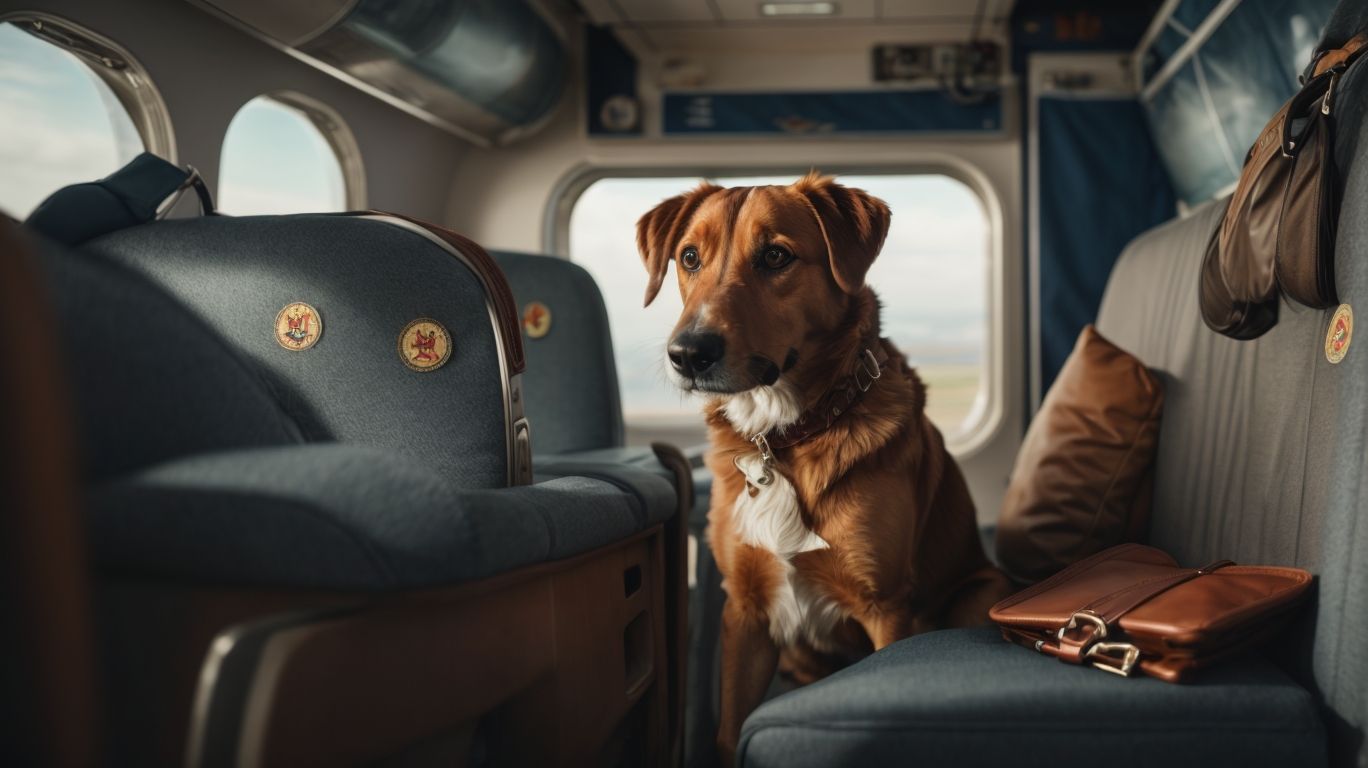


Flying with your furry companion can be a convenient and exciting experience, but it’s essential to understand the costs involved. In this article, we will explore the expenses associated with transporting a dog by plane, including factors that can affect the cost.
From airline pet policies to size and breed considerations, we will break down the expenses of flying with your dog. We will provide tips for cost-effective dog air travel and ensuring a smooth journey for your four-legged friend. Stay tuned to make informed decisions for your dog’s air transport!
Introduction: The Cost of Transporting a Dog by Plane
Understanding the costs associated with transporting your dog by plane is essential for pet parents planning to travel with their furry companions.
Understanding the Expenses Involved
When considering dog travel, pet parents need to factor in expenses such as health certificates , pet carriers, and airline fees to ensure a safe and comfortable journey for their pets.
Health certificates are a crucial part of dog travel, often required by airlines to ensure the pet is fit for the journey. These certificates can be obtained from a licensed veterinarian after a thorough examination of the pet’s health. Pet carriers must meet specific regulations set by airlines regarding size, material, and ventilation to provide a secure environment for the dog during transit.
- Domestic flights usually have varying policies and fees for pet travel, so it’s essential to research and compare options from airlines like Southwest, Delta, and American Airlines to find the best choice for both the pet and owner.
- Consider additional costs such as in-cabin pet fees, excess baggage charges, and potential pet travel insurance when planning for a trip with your furry companion.
Benefits of Flying with Your Dog
Flying with your dog can provide pet parents with peace of mind, as airlines offer pet-friendly options and services provided by pet experts to ensure a comfortable journey.
One of the key advantages of flying with dogs is the ability to keep your furry companion safe and close to you throughout the journey. Airlines often have specific guidelines and regulations in place to cater to pet travelers, ensuring their well-being and comfort. By availing of these pet-friendly policies, pet parents can rest assured that their beloved pets are well taken care of.
Factors Affecting the Cost to Fly a Dog

Several factors influence the cost of flying a dog, including airline pet policies, the size and breed of the dog, the type of travel (cabin or cargo), and the distance, especially for international travel.
Airline Pet Policies and Restrictions
Understanding airline pet policies and restrictions is crucial for pet owners to comply with regulations, ensure pet safety, and prepare necessary documents and vaccinations for air travel.
When traveling with pets, it’s essential to refer to specific airline guidelines regarding carrier requirements . Different airlines may have varying rules on the type of carrier allowed, dimensions, and whether the pet can travel in-cabin or in cargo. Ensuring your pet’s carrier meets the airline’s specifications can prevent issues during check-in or boarding. Having the correct documentation such as health certificates, vaccination records, and any required permits is vital.
Many airlines also have strict vaccination requirements for pets traveling on their flights. Ensuring your pet is up to date on vaccinations and has the necessary paperwork to prove it can prevent entry denial or quarantine at your destination. By adhering to these guidelines, pet owners can make the travel experience smoother and safer for both themselves and their furry companions.
Size and Breed of the Dog
The size and breed of the dog directly impact the choice of pet carrier, crate requirements, and safety considerations, ensuring a comfortable and secure journey for pets and peace of mind for pet owners.
When selecting a carrier or crate for air travel, it’s crucial to match the size of the transportation method with the dog’s body dimensions. For example, large breeds may require spacious crates that allow them to stand, turn around, and lie comfortably, while smaller dogs may feel more secure in cozy carriers. Understanding your dog’s needs is essential to prevent discomfort or anxiety during the journey.
The breed characteristics should also be taken into account. Breeds with short snouts, like pugs or bulldogs, may have specific requirements for ventilation and airflow to prevent overheating, especially in the confined space of a carrier. Ensuring proper ventilation and temperature control can significantly enhance the safety and well-being of your furry companion.
Type of Travel: Cabin vs. Cargo
Choosing between cabin and cargo travel for dogs involves considering airline policies, additional fees, and any specific requirements imposed by airlines, affecting the overall cost of pet transportation.

When opting for in-cabin travel, pet owners enjoy the peace of mind of having their furry companions close by, providing comfort and reducing stress for both the pet and the owner during the journey. Airlines have strict guidelines regarding the size and weight of pets allowed in the cabin, with limited slots available for pet travel per flight.
On the other hand, cargo travel may offer more flexibility in terms of accommodating larger dogs, but it comes with increased separation anxiety for the pet and potential exposure to extreme temperatures and noise levels in the cargo hold.
Distance and International Travel
Distance and international travel add complexity to dog transportation, requiring considerations such as international flights, route planning, import permits , and potential quarantine protocols.
One significant challenge of international dog travel is navigating the various import regulations of different countries. Obtaining the necessary permits and meeting the specific requirements can be a daunting task. Coordinating flight schedules, ensuring appropriate documentation, and adhering to quarantine procedures are crucial steps in ensuring a smooth journey for your canine companion.
Long-distance flights can be stressful for dogs, with changes in temperature, noise levels, and unfamiliar surroundings posing potential risks to their well-being. Owners must also factor in the duration of travel and make preparations to keep their pets comfortable and secure throughout the journey.
Breakdown of Expenses: Dog Plane Ticket Cost
An analysis of expenses for dog plane tickets involves comparing cabin and cargo costs, understanding additional fees, charges, and expenses associated with pet air travel.
Comparison of Cabin and Cargo Costs
Evaluating the differences in cabin and cargo costs involves considering factors such as airfare, travel routes, and estimated expenses for airline tickets when transporting dogs by air.
Regarding dog travel expenses , choosing between cabin and cargo options can significantly affect your overall costs.

Cabin travel, which allows your furry friend to accompany you in the passenger area, is often more expensive due to the added comfort and convenience. On the other hand, cargo travel, where pets are transported in a separate compartment, can be a more budget-friendly choice.
Factors such as the size and weight of your dog, the airline’s pet policy, the length of the journey, and the chosen travel class can all impact the final ticket price.
Be sure to compare various airlines, routes, and travel restrictions to find the most cost-effective option for your furry companion.
Additional Fees and Charges
Along with base fares, dog air travel may incur additional fees and charges related to boarding, regulatory compliance, carrier specifications, and specific requirements set forth by airlines.
- These supplementary costs can vary depending on the airline and the specific services provided. Boarding fees for pets can range from $50 to $200 per flight. Regulatory obligations, such as health certificates or vaccination records, might incur additional expenses.
- Carrier constraints play a crucial role in determining costs as well. Pet carriers must meet certain size and weight specifications, with oversized or non-compliant carriers potentially leading to extra fees.
- Airlines often have their own set of requirements for pet travel, including documentation, breed restrictions, and special pet handling services, each of which might come with an associated charge.
Cost Considerations for Flying with a Service Animal
Flying with a service animal entails specific cost considerations, including service provider fees, necessary documents, vet visits, and accommodations for ground transportation, requiring careful planning and preparation.
One of the primary cost factors individuals with service animals need to budget for is the service provider fees. These fees can vary depending on the type of service animal, the airline policies, and the level of assistance required during the journey. Obtaining the necessary documents, such as a health certificate or vaccination records, often comes with associated costs, which differ based on the destination and the specific requirements of the airline.
Ensuring that the service animal is up to date with its vaccinations and health checks is another essential expense. Many airlines and countries have strict veterinary obligations that need to be fulfilled before the journey. This often involves a visit to the vet for a thorough examination and certification, which may incur additional expenses.
Arrangements for ground transportation can also be an overlooked cost consideration. Not all modes of transportation are equally accommodating when it comes to traveling with service animals. Ground transport options that cater to individuals with service animals may come at a premium, requiring travelers to plan in advance and allocate funds accordingly.
Tips for Cost-Effective Dog Air Travel
Maximizing cost-effectiveness in dog air travel involves identifying the cheapest airline pet fees, planning ahead for budget-friendly options, and exploring strategies to minimize travel expenses.
Finding the Cheapest Airline Pet Fees
Locating the most economical airline pet fees involves comparing airfares, booking strategies, assessing flight costs, and understanding the overall expenses associated with pet air travel.
One effective method to discover affordable airline pet fees is to utilize online platforms that specialize in comparing airfares across various airlines. These websites allow pet owners to input their travel details, including the pet’s size and breed, to get a comprehensive overview of available flight options and associated fees.
Adopting strategic flight booking techniques, such as booking in advance or opting for less popular travel days, can help in securing lower pet air travel costs. Evaluating the total expenses for dog air travel involves not only the airline pet fees but also considerations like pet-friendly accommodations and transportation at the destination.
Planning Ahead for Budget-Friendly Options
Advance planning for budget-friendly dog air travel can involve exploring various aviation options, considering commercial flights, charter services, or private plane arrangements to optimize cost efficiency.
When contemplating commercial flights for your furry companion, it’s crucial to review airline pet policies, fees, and in-cabin requirements. Some airlines offer specialized pet transport services, ensuring a comfortable journey for your four-legged friend. Alternatively, chartering a flight provides flexibility in scheduling and route customization, although costs may vary based on the aircraft type and distance. Private plane options, while luxurious, offer unparalleled privacy and convenience, making them ideal for pet owners seeking a stress-free travel experience.
Ensuring a Smooth Journey for Your Dog
Ensuring a seamless travel experience for your dog involves thorough pre-flight preparations, prioritizing pet health, implementing safety tips, and acquainting with the aircraft environment for a stress-free journey.
Pre-Flight Preparations and Requirements
Preparing your dog for air travel involves ensuring a suitable crate, securing necessary airfares, evaluating flight costs, and potentially considering air nannies for additional assistance during the journey.
Regarding selecting a suitable crate for your furry companion, it is crucial to ensure that it meets the specific airline requirements for pet carriers. These specifications often include the crate size, material, ventilation, and door locking mechanism. Make sure to label the crate with your contact information and your dog’s details for easy identification. As you secure the necessary airfares, it’s advisable to check for any additional charges for pet transportation and inquire about the airline’s pet policies and restrictions.
Health and Safety Tips during Travel
Ensuring the well-being and safety of dogs during travel provides pet owners with peace of mind, as they navigate through travel experiences and opt for pet-friendly jet services for enhanced comfort.
One key aspect to consider when traveling with your furry companion is the necessary preparations before the journey. This includes ensuring that your pet is up-to-date with vaccinations and has proper identification.
Keeping your pet calm and comfortable during the flight is crucial. Some pets might be anxious or scared during air travel, so it’s essential to familiarize them with the carrier well in advance. Offering familiar toys and blankets can also help soothe their nerves. Safety measures such as securing the carrier properly and providing ample ventilation are equally important to guarantee a stress-free journey for both you and your pet.
Conclusion: Making Informed Decisions for Your Dog’s Air Transport
Making informed decisions for your dog’s air transport involves considering pet transport options, seeking pet-friendly services, and prioritizing pet owners’ preferences for a positive travel experience.
When planning your furry friend’s journey through the skies, remember that choosing the right pet transport method is crucial. Whether it’s selecting a reliable airline known for its exceptional pet services or opting for a pet-friendly cabin, each decision plays a significant role in ensuring a stress-free and enjoyable trip for your beloved companion. Exceptional pet-friendly amenities such as onboard care, spacious crates, and designated pet relief areas contribute to a comfortable and safe travel experience for your pet.
Frequently Asked Questions
What factors determine the price of transporting a dog by plane?
The price of transporting a dog by plane can vary depending on several factors, including the size and weight of the dog, the airline and route, and any additional services or requirements.
Are there any additional fees for transporting a dog by plane?
Yes, there are usually additional fees for transporting a dog by plane. These may include a pet travel fee, crate rental fee, and any required health documentation or vaccinations.
How much does it typically cost to transport a dog by plane?
The cost of transporting a dog by plane can range from $50 to $500, depending on the factors mentioned above. It is important to research and compare prices from different airlines to find the best deal.
Does the size of my dog affect the price of transporting by plane?
Yes, the size of your dog can affect the price of transporting by plane. Larger dogs may require a larger crate and therefore incur a higher fee. Some airlines also have weight restrictions for pets, so it is important to check with the airline beforehand.
Do different airlines have different fees for transporting dogs by plane?
Yes, different airlines may have varying fees for transporting dogs by plane. It is important to research and compare prices from different airlines to find the most affordable option.
Can I bring my dog on the plane with me instead of transporting them as cargo?
Some airlines do allow small dogs to travel in the cabin with their owner for an additional fee. However, there may be restrictions and requirements, such as the size of the dog and having a proper carrier. It is best to check with the airline beforehand to see if this option is available for your dog.

Guiding SEO strategies for nationwide pet transportation services. With a wealth of experience in marketing, committed to showcasing safe and reliable pet transport options across the USA.