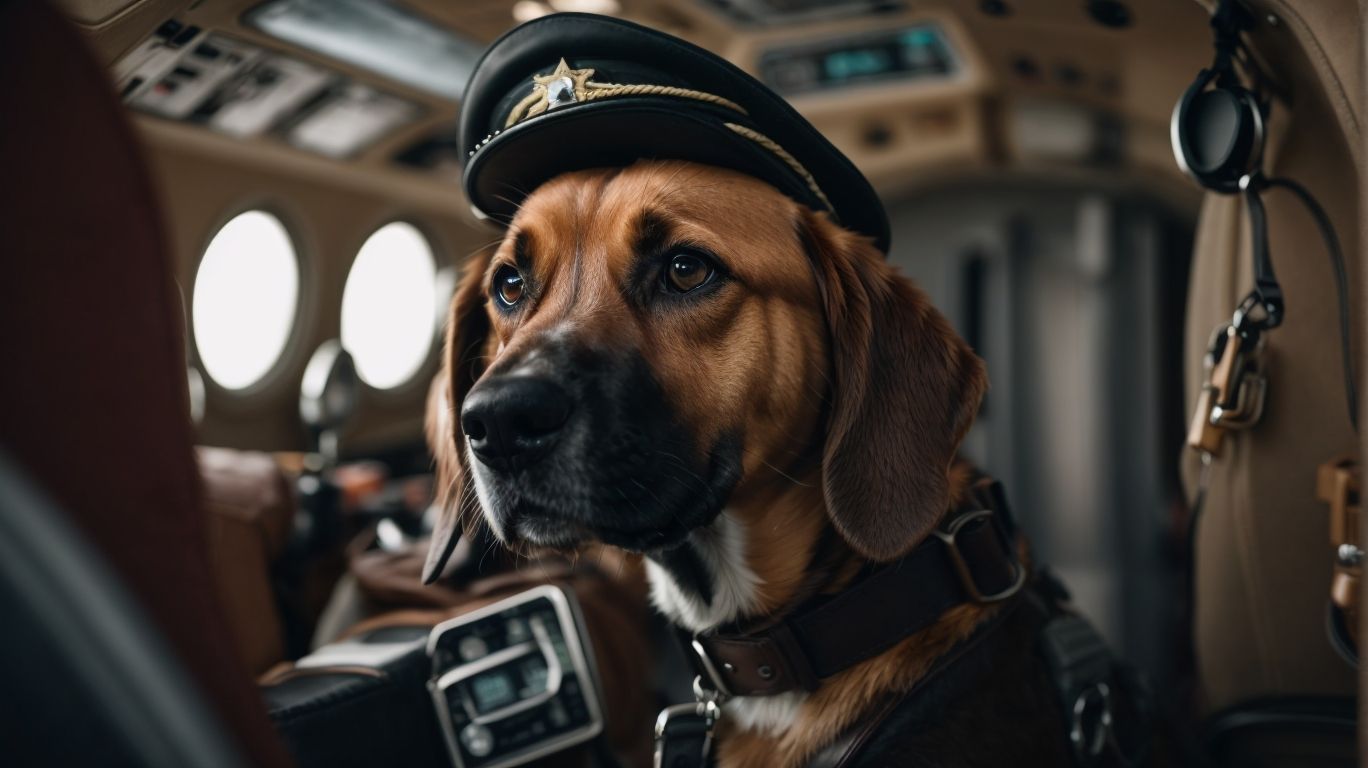


Flying alone with your dog can be an exciting and rewarding experience, but it also requires careful planning and preparation to ensure a smooth and stress-free journey for both you and your furry companion. In this comprehensive guide to solo dog flight, we will cover everything you need to know about flying with your dog, from understanding pet travel options and preparing your dog for flight to cost considerations, airline policies, international considerations, and choosing the best crate for solo dog flight.
Whether you’re a seasoned traveler or a first-time flyer with your dog, this article will provide you with the essential knowledge and practical tips to master solo dog flight with confidence. So, let’s dive into the details and make your next solo flight with your dog a seamless and enjoyable experience.
Key Takeaways:
Flying with your dog can be an exciting yet challenging experience, especially when flying solo with a large dog. Ensuring a smooth and safe journey for your beloved pet requires careful planning and adherence to airline and airport regulations.
One of the primary challenges of flying with a large dog is the consideration of the dog’s size and health. Large dogs require more space, and it’s crucial to ensure that they are comfortable during the flight.
Medical considerations such as anxiety or motion sickness should be addressed with the veterinarian beforehand, as they may affect the dog’s experience in the air.
The Basics of Flying with Your Dog
When flying with your dog, it’s essential to understand the basic requirements and considerations associated with pet travel. Whether it’s for a domestic or international flight, ensuring your dog’s comfort and safety is paramount throughout the journey.
Understanding Pet Travel Options
Pet owners have various travel options when flying with their dogs, including transporting them in the cabin, as checked baggage, or in the cargo hold. Each option has distinct considerations and requirements to ensure the pet’s safety and well-being during the flight.

Traveling with dogs in the cabin can provide a more intimate and secure environment, allowing pet owners to closely monitor their furry companions throughout the journey. This option is typically limited to smaller breeds due to space constraints and specific airline regulations.
On the other hand, transporting dogs as checked baggage may offer convenience and accessibility, but it’s essential to consider potential temperature and handling issues. Cargo transportation, while suitable for larger dogs, requires meticulous planning and adherence to specific safety protocols to minimize stress and ensure adequate ventilation for the pets.
Preparing Your Dog for Flight
Properly preparing your dog for a flight involves crate training, obtaining necessary vaccinations and health certificates, and ensuring their comfort with the travel carrier. Implementing these measures helps reduce stress and anxiety for the dog, promoting a smoother travel experience.
Additionally, crate training is crucial to acclimate your dog to the travel crate. Start by introducing the crate gradually, letting your dog explore it freely before encouraging them to spend short periods inside. Gradually increase the duration to help them get accustomed.
Ensuring that your dog’s vaccinations are up-to-date is essential. Contact the airline to understand specific vaccination requirements for your destination. Obtaining a health certificate from a licensed veterinarian is mandatory and should be acquired within the specified timeframe before travel.
Cost Considerations for Solo Dog Flight
Flying with a dog entails specific costs and fees associated with their transportation, especially when flying solo with a large breed. It’s essential to be aware of the potential expenses, including large dog fees and cargo requirements, to budget and plan effectively for the journey.
Which Airlines Allow Solo Dog Flight?
When considering solo dog flight, it’s crucial to identify the airlines that permit and facilitate pet transportation, particularly for large breeds. Understanding the pet policies and benefits offered by different airlines ensures a seamless boarding process and a comfortable travel experience for both the owner and the dog.
Overview of Pet Policies by Major Airlines
Major airlines have distinct pet policies and guidelines for flying with dogs, encompassing specific requirements based on the dog’s size, breed, and travel circumstances. Familiarizing yourself with these policies is essential for a hassle-free and compliant pet travel experience.

In terms of flying with dogs, some airlines categorize them as part of the carry-on luggage, while others require them to travel in the cargo hold. Small dog breeds often have the advantage of being permitted in the cabin, provided they meet size and weight restrictions specified by each airline. Certain airlines may have restrictions on specific dog breeds, such as snub-nosed breeds, due to respiratory concerns at high altitudes.
Flying Solo with Your Dog: International Considerations
When planning an international flight with your dog, it’s crucial to consider the specific regulations, health certifications, and airport security requirements for flying pets across borders. Navigating these international considerations ensures a smooth and compliant travel experience for both the dog and the owner.
Choosing the Best Crate for Solo Dog Flight
Selecting the appropriate crate for your dog is a critical component of preparing for solo flight, especially when dealing with large breeds. The crate must meet specific pet safety and cargo requirements, ensuring the dog’s comfort and security throughout the journey.
Top Picks for Travel Dog Carriers
Several travel dog carriers stand out for their quality, safety features, and compatibility with airline regulations, offering pet owners reliable options to ensure their dog’s well-being during solo flight. Choosing a top-tier carrier is crucial for a smooth and secure travel experience.
In terms of the quality of dog carriers, durability and comfort are vital considerations. Some top models feature sturdy construction, well-ventilated designs, and padding to keep pets comfortable during long journeys. Safety is another paramount aspect; carriers with secure locking mechanisms, escape-proof designs, and reinforced walls provide extra peace of mind.
Airlines have strict regulations regarding pet travel, so it’s essential to choose a carrier that complies with their policies. Look for carriers labeled as airline-approved to avoid any last-minute issues at the airport. Opting for carriers with washable liners and easy maintenance can make post-travel cleanup a breeze, ensuring convenience for pet owners.
The market offers various sizes and styles, including soft-sided, hard-sided, and expandable carriers, catering to different dog breeds and personal preferences. Ultimately, pet parents can find the perfect travel companion for their furry friends, prioritizing both safety and comfort while complying with airline regulations.
Tips for Keeping Your Dog Calm in the Crate
Helping your dog remain calm and relaxed in the crate during a flight is essential for their well-being and overall travel experience. Implementing effective strategies and comfort measures contributes to a positive and stress-free journey for the dog and the owner.

One key factor in ensuring your dog’s comfort in the crate is choosing the right size. The crate should be large enough for your dog to stand, turn around, and lie down comfortably. Lining the crate with familiar bedding or a favorite toy can provide a sense of security. It’s also important to accustom your dog to the crate well before the flight, ensuring they view it as a safe and cozy space. Incorporating calming scents or soothing music during the flight can further help alleviate your dog’s stress.
Guidelines for Flying with Service and Emotional Support Dogs
Understanding the guidelines and requirements for flying with service and emotional support dogs is crucial for pet owners seeking to ensure their seamless transit through airport security and the boarding process. Compliance with these regulations guarantees a smooth and uneventful travel experience for both the dogs and their owners.
General Tips for a Successful Solo Dog Flight
Embarking on a solo dog flight necessitates careful planning, attention to detail, and adherence to airline and cargo regulations. Implementing general tips and best practices ensures a successful and stress-free journey for both the dog and the owner.
Ensuring a Smooth Reunion with Your Dog
After a solo dog flight, ensuring a seamless reunion with your beloved pet involves understanding the post-flight procedures, cargo retrieval, and the pet’s post-journey needs. Facilitating a stress-free reunion is essential for both the dog’s well-being and the owner’s peace of mind.
Conclusion: Mastering Solo Dog Flight with Confidence
Mastering the art of solo dog flight instills pet owners with confidence, allowing them to navigate the complexities of pet travel with ease and assurance. With the right preparation and knowledge, flying with a dog becomes a rewarding and enriching experience for both the canine companion and their devoted owner.
Frequently Asked Questions
How can I ensure my dog is safe during a solo flight?
There are a few important steps you can take to ensure your dog’s safety during a solo flight. First, choose a reputable airline with specific policies for flying pets. Make sure to follow all of their guidelines, including proper crate size and necessary paperwork. Additionally, it’s important to familiarize your dog with their crate and take them on shorter trips before the solo flight to get them comfortable with the experience.
What should I pack for my dog on a solo flight?
When preparing for a solo flight with your dog, it’s important to pack all the necessary items to keep them comfortable and safe. This may include a travel crate that meets airline regulations, food and water bowls, enough food for the duration of the trip, a leash and collar, any necessary medications, and a familiar toy or blanket to provide comfort. It’s also a good idea to pack any important documents, such as vaccination records, just in case they are needed.
How can I help my dog stay calm during a solo flight?
It’s normal for dogs to experience anxiety during a solo flight, so it’s important to do what you can to help them stay calm. Before the flight, make sure to exercise your dog to help them release any excess energy. You can also try using calming products, such as a pheromone spray or a calming supplement, to help ease their nerves. It’s also a good idea to provide your dog with a familiar item, such as a favorite toy or blanket, to provide comfort during the flight.
Are there any breed restrictions for solo flying with a dog?
While most airlines do not have breed restrictions for flying with a dog, it’s important to check with the specific airline you will be using. Some breeds may not be allowed due to size or temperament, so it’s best to confirm before booking a flight. It’s also a good idea to research the specific requirements for your dog’s breed, such as whether they need a larger crate or extra documentation.
What if my dog gets sick or has an accident during the flight?
In the rare case that your dog becomes sick or has an accident during a solo flight, it’s important to remain calm and notify a flight attendant. They will be able to assist you in taking care of your dog and cleaning up any mess. If your dog requires medical attention, the flight crew may be able to provide basic first aid, but it’s always best to have a plan in place with your veterinarian in case of emergencies.
How can I prepare for a successful solo flight with my dog?
Preparation is key for a successful solo flight with your dog. Make sure to research and follow all airline guidelines for flying with pets. Additionally, it’s important to provide your dog with plenty of exercise, familiarize them with their crate, and potentially use calming products to help them stay calm during the flight. It’s also a good idea to have a plan in place in case of emergencies and to make sure to pack all the necessary items for your dog’s comfort and safety.

Guiding SEO strategies for nationwide pet transportation services. With a wealth of experience in marketing, committed to showcasing safe and reliable pet transport options across the USA.