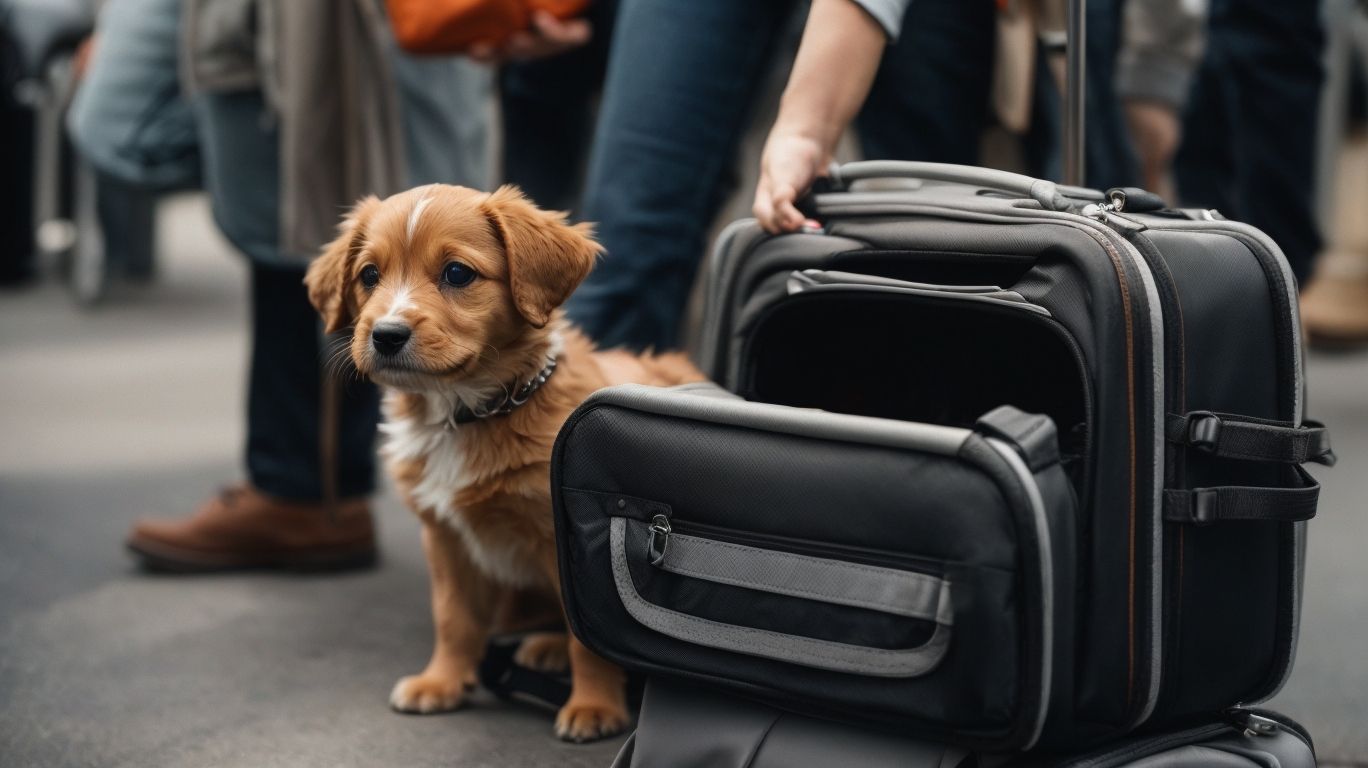

Welcome to our comprehensive guide on understanding pet transport safety. In this article, we will dispel common myths and provide you with the essential facts to ensure the safe transportation of your beloved puppy. Whether you are considering ground transportation or shipping your puppy by airplane, we have got you covered with the necessary recommendations and factors to consider for each mode of transportation.
Preparing your puppy for the trip is crucial, and we will provide you with valuable insights into how to do so effectively. We will equip you with a list of important questions to ask the pet transportation company to ensure the safety and comfort of your puppy throughout the journey.
As we delve into the topic, we will also address the travel expenses associated with shipping a puppy and provide guidance on pet air travel in the cabin. We will share recommended practices for ensuring your pet’s safety and address frequently asked questions about shipping puppies.
Whether you are a first-time pet owner or looking to gain more knowledge about pet transport safety, this article is designed to provide you with valuable information that will empower you to make informed decisions when it comes to shipping your puppy. Stay tuned to gain a deeper understanding of pet transport safety and feel free to reach out to us for further assistance.
Key Takeaways:
Understanding Pet Transport Safety: Myths, Facts, and Recommendations
Many pet owners may believe that pet transport safety is mainly about securing a carrier, but U.S. DOT regulations have specific guidelines for transporting pets, especially if traveling by air or on a lengthy road trip. Understanding these regulations, such as the size and ventilation requirements for pet carriers, can help pet owners make informed decisions.
The Humane Society provides valuable resources on pet transport safety, including tips on acclimating your pet to their carrier and ensuring they have proper identification during travel. Debunking common myths, such as sedating pets for travel, is crucial. The truth is that sedation can pose serious risks to pets, and it’s always important to consult a veterinarian for safe alternatives.
Dispelling Common Myths and Understanding the Facts of Pet Transport Safety
Dispelling Common Myths and Understanding the Facts of Pet Transport Safety is crucial for pet owners to make informed decisions about their pets’ travel arrangements.

Many pet owners often believe that sedating their pets during travel is a safe and common practice. The U.S. Department of Transportation prohibits sedation as it can put pets at greater risk during transportation. Therefore, it’s important for pet owners to seek advice from a qualified veterinarian to explore alternatives for keeping pets calm during travel.
Choosing the Right Mode of Transportation for Your Puppy
Selecting the appropriate mode of transportation for your puppy is a critical decision that directly impacts their travel experience and well-being.
When choosing between ground and air transport for puppies, consideration should be given to the breed-specific needs and temperament. While smaller breeds may fare well in airline-approved pet carriers for air travel, larger breeds may find ground transportation more suitable for their comfort and safety.
It’s crucial to ensure that the chosen mode of transportation provides a secure and comfortable environment for your puppy throughout the journey.
Shipping a Puppy with Ground Transportation
Shipping a puppy with ground transportation offers a viable option for pet owners seeking a more controlled and less stressful travel experience for their young companions.
One of the key benefits of choosing ground transportation is the ability to minimize the time spent in transit, which can be particularly important when transporting puppies. Being in a familiar and stable environment can help reduce the anxiety and discomfort that some puppies may experience during long journeys. Specialized pet transportation companies can offer tailored services to cater specifically to the needs of puppies, ensuring their safety and well-being throughout the journey.
When opting for ground transportation, pet owners should consider the necessary documentation and permits required for the journey. This often includes health certificates, vaccination records, and any specific regulations for the destination. Ensuring compliance with these requirements is essential to facilitate a smooth and hassle-free transportation process for the puppy.
Shipping a Puppy by Airplane
Shipping a puppy by airplane provides a swift and efficient mode of transportation, but it requires meticulous planning and adherence to airline regulations to ensure a safe and comfortable journey.

One of the crucial aspects to consider when shipping a puppy via airplane is the airline-approved pet carrier . The carrier should provide ample space for the puppy to stand, turn, and lie down comfortably. Proper ventilation and secure latching mechanisms are essential for the safety of the puppy during the flight.
Plus the carrier, health documentation is vital for the puppy’s air travel. This typically includes a health certificate issued by a licensed veterinarian, confirming the puppy’s fitness for air transportation and compliance with vaccination requirements.
Adherence to aviation regulations is non-negotiable when shipping a puppy by airplane. Each airline has specific guidelines and restrictions regarding the transportation of pets, including breed restrictions, temperature limitations, and necessary paperwork. Ensuring compliance with these regulations is paramount to a smooth and successful transport experience.
Reputable breeders play a pivotal role in the process of shipping a puppy via airplane. Responsible breeders prioritize the well-being of their puppies and are well-versed in the necessary steps and requirements for air travel. They often provide valuable guidance and support to new puppy owners throughout the shipping process.
Specialized pet transportation services can also facilitate the air travel of puppies, offering expertise in managing the logistics, documentation, and airline coordination involved. These services alleviate much of the stress and complexity associated with shipping a puppy by airplane, ensuring a smooth and well-handled journey for the cherished pet.
Factors to Consider for Each Mode of Transportation
Several factors need to be considered when evaluating the suitability of ground and air transportation for shipping puppies, including safety regulations, comfort provisions, and associated costs.
Regarding safety regulations, both ground and air transportation have their respective measures in place. Ground transportation generally adheres to road safety standards and schedules to minimize risks during transit. On the other hand, air transportation involves strict compliance with aviation safety regulations to ensure the well-being of the puppies during the flight.
In terms of comfort provisions, ground transportation provides a more localized and consistent environment for the puppies, allowing for frequent breaks and personalized care en route. Meanwhile, air transportation focuses on creating a controlled and secure environment within the aircraft, offering climate-controlled cabins and specialized handling by trained professionals.

Considering associated costs, ground transportation may prove to be more cost-effective for shorter distances, with options for shared transport and customizable routes. Air transportation, while potentially more expensive, offers speed and efficiency, especially for long-distance journeys, where minimizing the travel duration can be essential for the puppies’ well-being.
Preparing Your Puppy for the Trip
Ensuring that your puppy is adequately prepared for the trip is essential to mitigate travel-related stress and promote their well-being throughout the journey.
Start by scheduling a visit to the veterinarian to ensure that your puppy is in good health for travel. The veterinarian can provide a thorough health check-up, update vaccination records , and offer guidance on any specific health considerations for the journey.
Introduce your puppy to their travel crate well in advance of the trip. This will help them acclimatize to the new environment and reduce anxiety during the journey.
Consider strategies to ensure your puppy’s comfort during travel. Providing familiar bedding, toys, and scheduled feeding times can help maintain a sense of routine and security for your puppy throughout the trip.
Questions to Ask the Pet Transportation Company
As a responsible pet owner, it is crucial to pose pertinent questions to the pet transportation company to gauge their reliability, adherence to regulations, and dedication to ensuring your puppy’s comfort and safety during transit.
First and foremost, inquire about the services offered by the pet transportation company. This should cover details on the modes of transport available, such as air, ground, or sea, as well as the specific accommodations provided for pets. It’s vital to verify the company’s regulatory compliance . Ask about their licenses, permits, and certifications to ensure they meet the necessary legal requirements for transporting animals.
Next, discuss the associated costs . Seek clarity on the breakdown of fees, including any additional charges for special handling or custom requirements. Understand the payment terms and any deposits that may be required. Inquire about the handling of required documentation . Ensure that the company assists in gathering and processing all necessary paperwork, including health certificates, import permits, and travel approvals.
Understanding Travel Expenses for Shipping a Puppy
Understanding the financial aspects involved in shipping a puppy is crucial for pet owners to make informed decisions and allocate appropriate resources for their pet’s safe and comfortable transportation.
One of the primary cost components of shipping a puppy is the transportation fees. These fees depend on the distance, mode of transport, and any additional services provided. Crate expenses are a significant consideration. Ensuring a secure, well-ventilated crate that meets airline and regulatory standards is essential.
Regulatory compliance costs, including health certificates, vaccinations, and import/export permits, are also part of the overall expenses. Pet owners must factor in these expenses and ensure all necessary documentation is in place.
Investing in the right-sized crate, bedding, and water/food containers contributes to the pet’s comfort and safety during transit. While these may add to the costs, they play a vital role in the well-being of the puppy during the journey.
Pet Air Travel in the Cabin
Pet air travel in the cabin offers a unique opportunity for pet owners to accompany their furry companions during the journey, providing a sense of security and comfort for both the pet and the owner.
When preparing for pet air travel, it’s essential to ensure that the airline’s regulations and guidelines for pet transportation are thoroughly understood and followed. Most airlines have specific requirements regarding the size and type of pet carriers allowed in the cabin. Following these guidelines is crucial to ensure a smooth and stress-free journey for both the pet and the owner.
The safety of pets during air travel is of utmost importance. The pet carrier must be designed to meet airline safety standards and provide adequate ventilation and comfort for the pet. Airlines may also have specific regulations concerning the positioning of the carrier under the seat and the pet’s behavior during the flight. It’s essential for pet owners to familiarize themselves with these regulations to avoid any inconvenience during the journey.
Recommended Practices for Ensuring Your Pet’s Safety
Implementing recommended practices for ensuring your pet’s safety during travel is essential to mitigate risks and promote a secure and comfortable journey for your beloved companion.
One of the best practices is to ensure compliance with all regulatory requirements for pet transport, including documentation such as health certificates, vaccination records, and permits. It’s important to carefully prepare the crate or carrier to provide a secure and comfortable environment for your pet. This includes using an appropriately sized, well-ventilated, and secure crate, with familiar bedding and toys.
It’s crucial to regularly monitor your pet’s well-being during the journey and to partner with a reputable pet transportation service that prioritizes safety and comfort, ensuring a smooth and stress-free travel experience.
FAQs about Shipping Puppies
Commonly asked questions about shipping puppies encompass crucial aspects related to the process, regulations, costs, and comfort considerations, offering valuable insights for pet owners embarking on this journey.
One of the primary concerns for pet owners is understanding the specific regulatory compliance requirements for shipping puppies. Regulations may vary based on the destination and mode of transportation. It’s essential to research and comply with the necessary permits, health certificates, and related documentation for a smooth shipping experience.
Pet owners often inquire about the cost estimates associated with shipping puppies. Factors such as transportation fees, pet crate expenses, and insurance costs contribute to the overall expenses. Understanding the full cost breakdown ensures that pet owners can budget appropriately for the shipping process.
Comfort provisions are also a significant area of interest for pet owners. Questions related to the safety and well-being of the puppies during transit are common. Understanding the handling procedures, temperature regulations, and rest breaks provided during transportation helps alleviate concerns and ensures the comfort of the puppies throughout the journey.
Contact Us for Further Assistance
For further assistance and personalized guidance regarding pet transportation , feel free to contact our dedicated team of experts who are committed to ensuring the safety, comfort, and well-being of your beloved pet during their journey.
Our team understands the importance of providing individualized care for pets, acknowledging that each animal has unique needs and requirements when it comes to transportation.
They are well-versed in the intricacies of pet travel, from arranging suitable accommodations to adhering to specific regulations and documentation, aiming to alleviate the stress and uncertainties often associated with this process.
By reaching out, pet owners can access a wealth of knowledge and resources to address any concerns and explore tailored solutions that ensure the journey is as seamless and stress-free as possible for their furry companions.
Frequently Asked Questions
What is the best age to ship a puppy by air?
The optimal age to ship a puppy by air is between 8 to 12 weeks. This is when they are fully weaned and can handle the stress of traveling.
What are the safety measures in place for shipping a puppy by air?
Airlines have strict guidelines for shipping live animals, including puppies. They provide proper ventilation, temperature control, and pressurized cargo holds to ensure a comfortable journey for your pet.
Do I need to provide any documentation when shipping a puppy by air?
Yes, you will need to provide a health certificate from a licensed veterinarian stating that your puppy is healthy and fit to fly. You may also need to provide proof of vaccinations and any other required documents depending on the destination.
Can I fly with my puppy in the cabin?
Most airlines do not allow puppies to travel in the cabin. They must be shipped as cargo in a temperature-controlled and pressurized compartment to ensure their safety.
How can I ensure my puppy’s safety during the flight?
To ensure your puppy’s safety, make sure they have access to water and food before the flight. Use a secure and well-ventilated crate or carrier and include familiar items like toys and blankets. Also, avoid shipping during extreme weather conditions.
What should I do if my puppy gets anxious during the flight?
It is normal for a puppy to feel anxious during the flight. To help them stay calm, include a piece of your clothing with your scent in their crate. You can also consult with your veterinarian about giving them sedatives before the flight.

Guiding SEO strategies for nationwide pet transportation services. With a wealth of experience in marketing, committed to showcasing safe and reliable pet transport options across the USA.