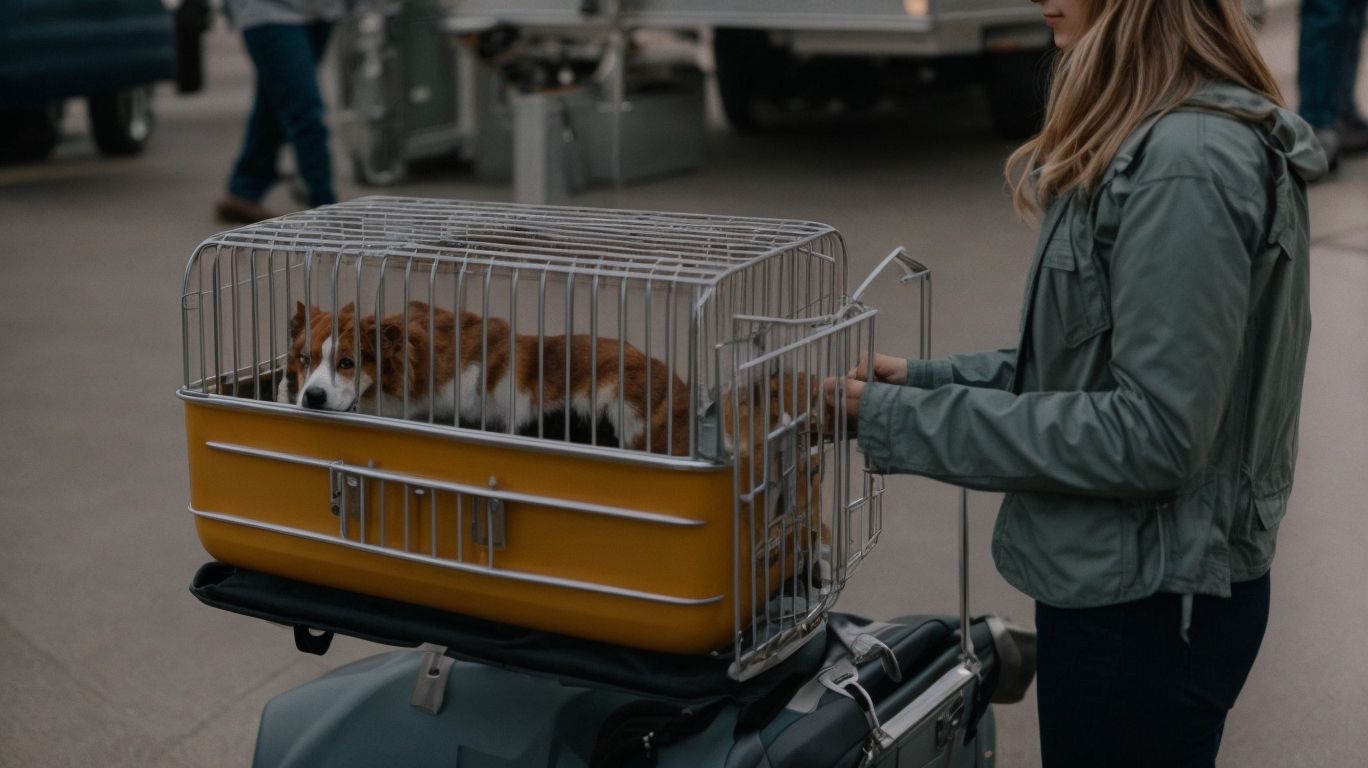


Are you considering shipping your pet? Whether you’re relocating to a new city or taking a vacation with your furry friend, understanding the process of shipping a pet is crucial for a smooth and stress-free transit. From the importance of proper planning to choosing the right transport method, there are several key considerations to keep in mind.
In this comprehensive guide, we will delve into the essential steps involved in preparing your pet for shipping, including health and safety considerations, documentation and compliance, selecting a pet-friendly carrier, and tips for ensuring a smooth transit experience. By the end of this article, you’ll be equipped with the knowledge and resources to navigate the process of shipping your pet with confidence and ease.
Key Takeaways:
Introduction to Shipping a Pet
Shipping a pet involves the process of transporting animals from one location to another, often over long distances, and it requires careful planning and consideration.
Pet transportation is a crucial aspect for pet owners relocating or embarking on a journey with their furry friends. Proper planning ensures the safety, comfort, and well-being of the pet during the transit.
One essential aspect is selecting an appropriate crate or carrier that complies with transportation regulations to provide a secure and comfortable environment for the pet. Plus the physical arrangement, choosing a reputable and experienced transportation company ensures adherence to regulations and provides peace of mind for pet owners.
Understanding the Process
Understanding the process of pet transportation entails familiarizing oneself with the logistics, regulations, and considerations involved in safely moving pets from one place to another.
Logistics play a crucial role in pet transportation, encompassing factors such as appropriate crates, temperature control, and suitable travel routes. Safety measures are paramount, including the provision of adequate ventilation and access to water during transit, as well as adherence to animal welfare guidelines. Regulatory requirements, such as health certificates, vaccinations, and compliance with import/export regulations, must be meticulously addressed to ensure a smooth and lawful pet transportation process.
Importance of Proper Planning

Proper planning is crucial for the successful transportation of pets, as it ensures their safety, comfort, and compliance with legal requirements throughout the journey.
Before embarking on a pet transportation journey, it is essential to consider the pet’s specific needs and the regulations in place at the new destination. This may include obtaining health certifications, updating vaccinations, and ensuring the pet’s comfort during travel. Choosing the right transportation method, whether it’s by air, road, or sea, is also a pivotal part of the planning process.
Acclimating pets to their travel carriers and surroundings before the journey can help alleviate stress and ensure a smoother transition to their new home.
Preparing Your Pet for Shipping
Before shipping your pet, it is essential to prepare them physically and mentally for the journey, ensuring their health, safety, and comfort throughout the transportation process.
Start by scheduling a visit to the vet for a thorough health check, ensuring that your pet is fit for travel. It’s crucial to ensure that your pet’s vaccinations are up to date and obtain any necessary health certificates required for shipping.
Next, focus on creating a comfortable travel environment for your pet by familiarizing them with their travel crate or carrier. Implementing a routine for feeding, exercise, and rest will help them adjust to the upcoming journey seamlessly.
Adhering to transportation regulations is vital, so be sure to research and comply with the specific requirements for pet shipping set by the airline or shipping company. This may include using specific carriers, providing identification tags, and following guidelines for feeding and watering. Consider your pet’s safety during transit by selecting direct flights when possible and labeling their crate with clear, prominent identification. By taking these careful preparatory steps, you can ensure that your pet travels safely and comfortably to their destination.
Health and Safety Considerations
Prioritizing the health and safety of your pet is paramount when preparing them for transportation, necessitating thorough health checks, vaccinations, and stress-reducing measures.

Transporting pets, whether for a short trip to the vet or a long journey, requires careful planning. Before embarking on any travel, it’s crucial to consult with a veterinarian to ensure your pet is fit to travel. Your vet can evaluate your pet’s health, update vaccinations, and provide any necessary medications.
Creating a comfortable and familiar environment during transport, such as using a familiar crate or bringing along favorite toys, can help reduce the stress and anxiety levels in your pet. Ensuring proper ventilation and regular breaks during long journeys are also vital for your pet’s well-being.”
Choosing the Right Transport Method
Selecting the appropriate transport method for your pet is crucial, ensuring their comfort and well-being during the journey, whether it involves ground transportation or air travel.
Ground transportation offers the advantage of being more flexible and provides a familiar environment for your pet. Air travel can be faster for long distances, albeit with more regulations and potential stress for your pet. It’s important to consider your pet’s temperament, health, and the specific regulations and requirements of the chosen transport method. Ensuring safety and comfort should be the top priorities when deciding on the best transport method for your beloved pet.
Documentation and Compliance
Compliance with legal requirements and documentation is essential when shipping pets, encompassing a thorough understanding of regulations, permits, and veterinary certifications.
Ensuring adherence to regulations is crucial, as different countries and regions may have varying requirements for pet transportation. Obtaining the necessary permits and obtaining veterinary certifications are common prerequisites. Documents such as health certificates, vaccination records, and import/export permits may be mandated, and compliance with these is imperative for a smooth and lawful pet transport process.
Understanding Legal Requirements
A thorough comprehension of the legal requirements for pet transportation is crucial, encompassing regulations on vaccinations, quarantine, and travel permits, depending on the destination.
The regulations pertaining to pet transportation vary from country to country, with some requiring specific vaccinations, such as rabies, and others mandating health certificates issued by a veterinarian. Certain destinations necessitate travel permits for pets, and it is essential to ascertain the quarantine regulations in advance, as they may differ widely.

Consulting with a veterinarian experienced in pet travel and thoroughly researching the requirements for each stage of the journey can help ensure a smooth and compliant pet transportation process.
Ensuring Proper Travel Documentation
Ensuring the acquisition of proper travel documentation for your pet is essential, which may include health certificates, import permits, and identification tags as per the regulatory requirements.
By complying with these regulations, pet owners can avoid potential setbacks and ensure seamless travel. Vets play a crucial role in this process as they can provide the necessary health checks and certificates to confirm that your pet is in good health for the journey. Identification tags are vital for reuniting pets with their owners in case of separation during travel. Import permits are often required when traveling internationally, and it’s important to stay informed about specific requirements for each destination.
Choosing a Pet-Friendly Carrier
Selecting a pet-friendly carrier for your pet’s transportation involves researching reputable shipping services that prioritize animal comfort, safety, and well-being throughout the journey.
When choosing a carrier, safety should be a top priority, ensuring that the carrier is well-ventilated and secure, with sturdy construction and escape-proof latches. Comfort is vital for your pet’s well-being during transit. Look for carriers with ample space for your pet to stand, turn around, and lie down comfortably.
It’s crucial to consider the reputation of the transportation company as well. A reliable company will have experience with pet transportation and prioritize the needs of your furry friend. Ultimately, the carrier will serve as a new home for your pet during the journey, so it’s essential to select one that meets all the necessary criteria.
Researching Reputable Shipping Services
Thorough research into reputable shipping services for pets is essential, considering factors such as safety records, handling procedures, and customer reviews to ensure the best possible care for your pet.
In terms of transportation companies catering to pet transportation, it’s crucial to delve into their safety records to verify their reliability. Researching customer reviews can provide valuable insights into their experiences, revealing how well the company handles pets during transit.
Understanding the company’s handling procedures is essential in ensuring your pet’s safety and comfort throughout the journey.
Evaluating Carrier Facilities and Services
Evaluating carrier facilities and services is crucial when selecting a pet-friendly transportation provider, ensuring that the facilities meet safety standards and the services align with your pet’s needs.
In terms of pet transportation, finding the right service is often about striking a balance between cost and care. Discovering the cheapest way to ship a pet while still ensuring all the essential checkpoints of safety and comfort isn’t easy, but with the right resources, it’s certainly possible.
comfort and safety are paramount. The crate or carrier used should provide adequate space for your animal to move comfortably while also ensuring that your pet is secure during the journey.
Customized services that cater to the specific requirements of your pet, such as special dietary needs or the provision of regular comfort breaks, can greatly enhance the overall experience for both you and your furry companion.
Preparing Your Pet for Air Travel
For air travel, preparing your pet involves adhering to specific guidelines, such as crate training , documentation requirements, and acclimatization to the airport environment for a smooth and stress-free journey.
In terms of crate training, it’s important to ensure that the crate is properly sized for your pet to allow comfortable movement, and familiarity with the crate is established. This can be achieved by gradually introducing the pet to the crate in a positive manner, associating it with pleasant experiences and rewards.
Documentation requirements vary depending on the destination and airline. It’s essential to have your pet’s health records, vet certificates, and relevant permits in order. This ensures compliance with regulations and smooth processing at the airport.
Acclimatizing your pet to the airport environment involves exposing them to the sights, sounds, and smells commonly encountered at airports. This can make the entire travel experience less overwhelming for your pet, reducing stress and ensuring a more comfortable journey.
Guidelines for Air Travel with Pets
Air travel with pets requires adherence to specific guidelines, including crate size regulations , health certifications , and pet comfort provisions to ensure a smooth and secure journey for your animal companion.
In terms of crate size regulations, airlines have their own specifications based on the type of aircraft and the dimensions of the cargo holds. It’s crucial to carefully measure your pet’s crate to ensure it complies with the airline’s requirements.
Obtaining a health certification from a veterinarian is mandatory to confirm that your pet is fit to travel. This certification usually needs to be obtained within a specific timeframe before the travel date to ensure your pet’s good health.
Health and Wellness Checks
Before air travel, conducting thorough health and wellness checks for your pet is essential, including vaccinations, stress assessment, and specialized feeding routines to ensure their well-being during the journey.
When preparing your pet for air travel, it is crucial to visit the veterinarian for a comprehensive health assessment to ensure your pet is fit to fly. Vaccinations play a vital role in protecting your pet from potential illnesses during their journey.
Assessing their stress levels and providing appropriate mental stimulation can help alleviate anxiety. Implementing a consistent feeding routine can also contribute to their comfort and well-being throughout the travel process.
Tips for Smooth Pet Transit
To ensure a smooth pet transit experience, consider tips such as acclimatization exercises , maintaining routine feeding schedules, and creating a comfortable and familiar environment within the transportation crate.
Acclimatization exercises are crucial to help your pet become accustomed to the upcoming journey. Start by gradually increasing the time spent in the transportation crate, allowing them to adjust to the new environment. Maintain their routine feeding schedule to provide a sense of comfort amidst the transit. It’s also essential to create a cozy and familiar setting within the crate by adding their favorite blanket or toy.
These measures can significantly reduce your pet’s stress and contribute to a more relaxed and safe transportation experience. If hiring a transportation company, ensure that they prioritize safety and comfort for your pet throughout the journey.
Managing Your Pet’s Anxiety
Managing your pet’s anxiety during transit is essential, involving calming techniques, familiar scents, and comforting items to alleviate stress and ensure a more relaxed travel experience for your pet.
Transitioning to a new environment can be distressing for a pet, resulting in anxious behaviors like pacing, whining, or panting. To mitigate this, make safety a priority by securing your pet in a well-ventilated carrier and ensuring all necessary vaccinations are up to date.
Creating a consistent routine before the trip, such as short practice drives, can help acclimate your pet to the idea of travel and reduce their stress. Incorporating familiar scents, like a favorite blanket or toy, can offer comfort and a sense of familiarity during transit.
Introducing calming techniques, such as gentle strokes or soft music, can aid in soothing your pet’s nerves, promoting a more relaxed state of mind. Including comforting items, like a cozy bed or a cherished item, can provide a sense of security and ease their anxiety during transit.
Ensuring Comfort During Transit
Ensuring your pet’s comfort during transit involves creating a familiar and secure environment within the transportation crate, incorporating favorite toys, blankets, and bedding to promote a sense of security and well-being.
Placing familiar items in the crate will help the pet feel more at ease during the journey, reducing potential stress or anxiety.
The size of the crate should allow the pet to stand, turn around, and lie down comfortably, ensuring their physical comfort throughout the trip. The crate should also be well-ventilated to maintain a pleasant temperature.
Introducing your pet to the transportation crate gradually before the journey can help them associate it with positive experiences, making them more comfortable within the confined space. This familiarization process can be enhanced through positive reinforcement and rewards.
Arrival and Receiving Your Pet
Upon your pet’s arrival, it is crucial to be prepared for their reception, ensuring a smooth transition to their new home and addressing any post-transit health and well-being concerns.
First, create a designated space within your home that is secure and comfortable for your new pet. This could include a cozy bed, water and food dishes, and a few toys. Safety precautions should also be taken to pet-proof the area and remove any hazards.
Familiarize yourself with nearby veterinarians in case of any emergent health issues. Monitoring your pet’s behavior and introducing them gradually to their environment can also aid in their adjustment.
Preparing for Your Pet’s Arrival
Preparing for your pet’s arrival involves creating a welcoming and secure environment, addressing any specific post-transit needs, and re-establishing familiar routines to ensure their comfort and well-being in their new surroundings.
It’s essential to prepare a designated area in your home where your pet can adjust and feel secure. This could be a cozy bed, a comfortable crate, or a secluded space to retreat to. Ensuring this space is free from hazards and has familiar items, such as toys or blankets, can help ease their transition. Addressing any specific post-transit needs, such as rest, food, and water, is crucial. Providing a calm and quiet environment initially can aid in their adjustment. Once settled, gradually introducing them to the new surroundings while maintaining their familiar routines can help them adapt more smoothly.
Post-Transit Health and Wellbeing
After transit, prioritizing your pet’s health and well-being involves monitoring for any signs of stress, ensuring proper nutrition, and accessing veterinary care if needed to facilitate their adjustment to the new environment.
Stress monitoring is crucial in the initial days after transit, as pets may exhibit behavioral changes due to the adjustment. Keep an eye out for excessive panting, pacing, or excessive vocalization, and create a calm and reassuring environment for them.
Nutrition plays a significant role in their well-being as well. Gradually introducing them to their regular diet and ensuring access to fresh water is important. A visit to the veterinarian is recommended to establish a post-transit health check and to discuss any preventive measures needed.
Establishing a routine and providing a safe and secure environment will aid in their smooth transition.
Frequently Asked Questions
What is the process for shipping a pet?
The process for shipping a pet varies depending on the destination and mode of transportation. In general, it involves obtaining necessary documentation, ensuring your pet meets all required health and safety regulations, and scheduling transportation with a reputable company.
What documents do I need to prepare for shipping my pet?
For domestic travel, you will typically need a health certificate from your veterinarian and proof of vaccinations. For international travel, you may also need a pet passport, import permits, and proof of microchip and rabies vaccinations. It’s important to research the specific requirements for your destination country.
How do I know if my pet is fit for travel?
Your pet’s health and well-being should always be the top priority when considering travel. Consult with your veterinarian to determine if your pet is fit for travel, and consider factors such as age, breed, and any pre-existing health conditions. It’s also important to acclimate your pet to their travel crate and prepare them for the journey.
Can I ship my pet in the cabin with me?
Most airlines only allow small pets to travel in the cabin with their owners. Larger pets will need to be shipped as cargo in temperature-controlled and pressurized compartments. However, some airlines offer a pet shipping service that allows pets to travel in the cabin alongside their owners. Be sure to check with the airline beforehand.
How can I ensure my pet’s safety during transit?
To ensure your pet’s safety during transit, choose a reputable pet shipping company with a track record of safe and reliable transport. Properly label your pet’s crate with their name, your contact information, and any necessary travel documents. Provide your pet with enough food and water for the journey, and make sure their crate is well-ventilated and comfortable.
What should I do to prepare my pet for the journey?
Preparing your pet for travel is crucial for their comfort and well-being. Make sure they are up to date on all vaccinations, get them used to their travel crate, and consider using calming aids or supplements if your pet is prone to anxiety. On the day of travel, give your pet a light meal a few hours before departure and make sure they have access to water.

Guiding SEO strategies for nationwide pet transportation services. With a wealth of experience in marketing, committed to showcasing safe and reliable pet transport options across the USA.