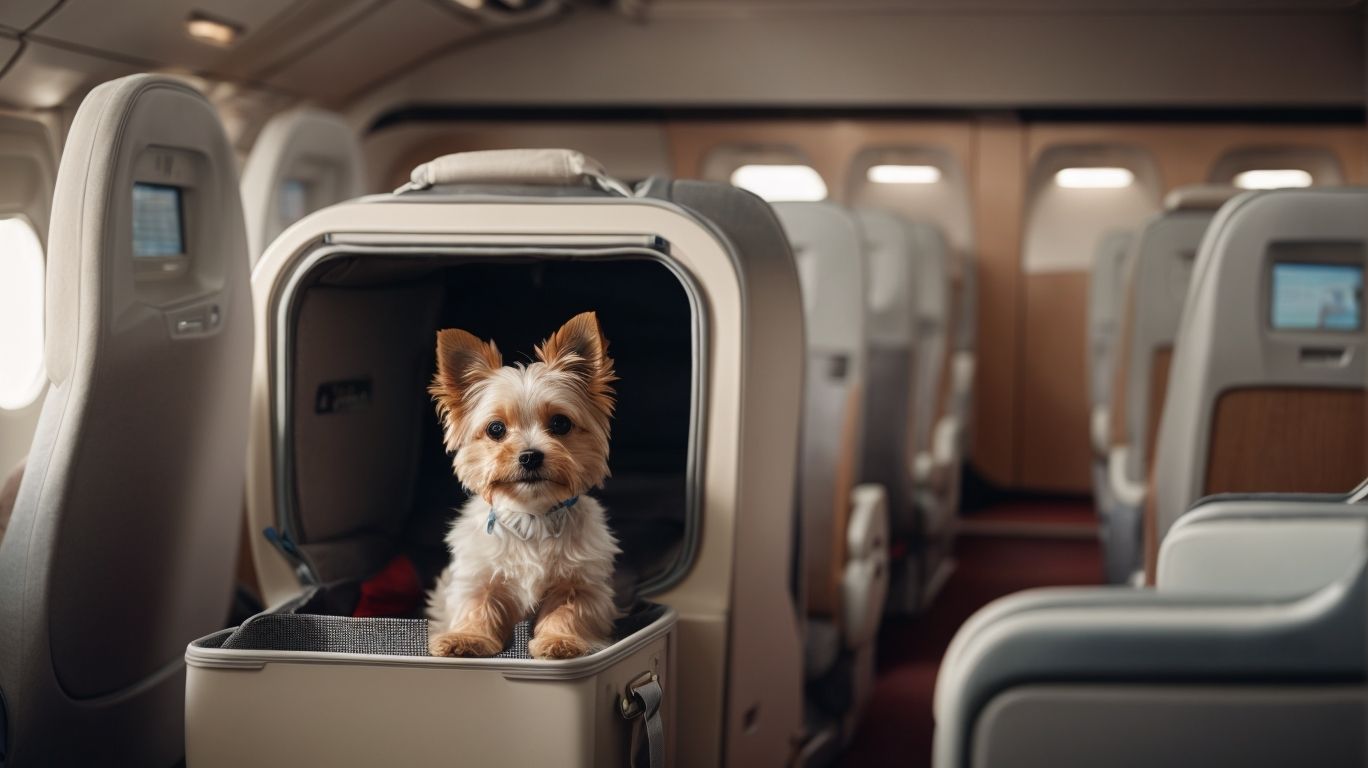


Traveling with pets can be a rewarding experience, allowing you to explore the world alongside your furry companions. Ensuring their safety and comfort during air travel is paramount. In this comprehensive guide, we will delve into the essential aspects of pet air travel, covering everything from preparation and the day of the flight to ensuring a safe and stress-free journey for your beloved pets.
Understanding the basics, preparing for the trip, and navigating the day of the flight are all crucial components that we will explore in detail. Whether you’re a seasoned pet traveler or embarking on your first journey with your furry friend, this article will equip you with the knowledge and insights needed to ensure a smooth and secure travel experience for your pet.
For a more focused look at air travel involving pets, you might find our article on how dogs get shipped on planes to be an invaluable resource.
Key Takeaways:
Introduction to Pet Air Travel
Pet air travel involves the transportation of animals via commercial airlines or cargo flights, offering a convenient option for pet owners to bring their companions along on journeys.
Whether it’s a domestic relocation or a vacation, many pet owners consider their furry friends as integral members of the family and want to ensure their well-being during travel. When opting for pet air travel, it’s essential to acquaint oneself with airline policies, travel requirements, and potential stressors that could affect the animal’s comfort.
Several airlines have specific guidelines for pet travel, ranging from permitted breeds and sizes to health documentation and carrier specifications. Safety measures, such as adequate ventilation, comfortable bedding, and careful handling, are crucial aspects considered by airlines and cargo operators to ensure the pet’s welfare throughout the journey.
Understanding the Basics of Pet Air Travel
Understanding the basics of pet air travel encompasses familiarizing oneself with airline regulations, safety protocols, and the overall experience of flying with a pet.

Before booking a flight, it’s essential to review the pet travel policies of the chosen airline to ensure compliance with their specific requirements. Common regulations may include the necessity for health certificates, updated vaccination records, and the use of an approved pet carrier that meets the airline’s specifications. Safety measures such as securing the pet carrier in the cabin or the cargo hold, depending on the airline’s policy, are vital to guarantee the well-being of the pet during the flight.
Importance of Ensuring Safe Journeys for Your Companions
Ensuring safe journeys for your pet companions during air travel is crucial for their well-being, comfort, and overall travel experience.
Regulations and airline policies regarding pet travel are designed to promote safety and security for pets on board. Many airlines have specific guidelines to ensure that pets are transported in comfortable and secure conditions, adhering to temperature and air pressure regulations.
Pet owners should carefully review airline requirements and prepare their pets accordingly, considering factors such as crate size, documentation, and in-cabin or cargo options. Consulting with a veterinarian prior to travel can help address any health concerns and ensure that the pet’s journey is as stress-free as possible.
Preparation for Pet Air Travel
Preparing for pet air travel involves meticulous attention to details such as carrier selection, vet visits, and understanding international travel requirements for pets.
In terms of carrier selection, it’s crucial to choose a sturdy, well-ventilated, and appropriately sized carrier, complying with airline regulations. Along with this, booking a direct flight helps minimize the overall travel time, reducing the stress on your pet. It’s also wise to accustom your pet to the carrier beforehand, making it a familiar and comfortable space.
Before the trip, a visit to the veterinarian is essential to ensure that your pet is fit for air travel. The vet can provide necessary vaccinations, health certificates, and discuss measures to alleviate any potential travel-related anxiety or motion sickness. For international travel, researching and fulfilling the specific requirements of the destination country, such as microchipping, blood tests, and quarantine regulations, is crucial.
Booking Your Trip
Booking your pet air travel involves selecting the appropriate airline, flight options, and understanding the availability of pet-friendly services, including international cargo options.

When planning your pet’s air travel, it’s crucial to research and choose an airline that accommodates pets. Many airlines offer specialized services for traveling with pets, such as pet-friendly cabins, temperature-controlled compartments, and designated relief areas. Before booking your pet’s flight, it’s important to check the airline’s pet policies, including weight restrictions, crate requirements, and any necessary documentation. Some airlines may have specific limitations on the number of pets allowed per flight, so it’s essential to clarify these details in advance.
- Consider the flight options available, such as direct flights versus connecting flights, to minimize stress on your pet during the journey.
- It’s also important to confirm the availability of international cargo services if you’re planning to transport your pet on a long-haul international flight.
Researching and Understanding Travel Requirements
Researching and understanding travel requirements for pets involves diving into airline regulations, health documentation, and international travel protocols to ensure compliance and smooth travel experiences.
When preparing for pet travel, it’s crucial to check with specific airlines for their pet policies, which may include size restrictions, carrier requirements, and health certifications. Obtaining essential health documents such as vaccination records and health certificates is vital.
Understanding international quarantine regulations and entry requirements for destination countries is essential for a seamless travel experience while ensuring the well-being of pets.
Scheduling a Vet Visit
Scheduling a vet visit before pet air travel is essential for obtaining health certifications, vaccinations, and fulfilling international travel requirements for animals.
During the vet visit, the veterinarian will conduct a thorough examination to ensure that the pet is fit for travel. This includes checking for any underlying health issues, ensuring the pet’s vaccinations are up to date, and providing the necessary health certificate required for travel.
If the pet is traveling internationally, it’s crucial to adhere to the specific import regulations of the destination country, which may include blood tests, microchipping, or specific vaccinations.
Choosing the Right Carrier
Choosing the right carrier for pet air travel is crucial for ensuring your pet’s comfort, safety, and overall travel experience.

When selecting a carrier for pet air travel, several key factors must be considered.
The carrier should be spacious enough to allow your pet to stand, turn, and lie down comfortably. It’s also vital to ensure that the carrier meets airline regulations regarding dimensions and materials. Look for carriers with secure closures and ventilation to keep your pet safe and comfortable.
Consider carriers with stress-reducing features, such as calming pheromone pads or comfortable bedding, to ease your pet’s anxiety during travel.
For guidelines on selecting the right carrier and creating a positive travel experience for your pet, refer to our dedicated pet transportation page.
Familiarizing Your Pet With the Carrier
Familiarizing your pet with the carrier involves training exercises, positive reinforcement, and acclimatizing your pet to the travel environment to minimize stress and ensure comfort.
One effective training exercise is to gradually introduce the carrier to your pet by placing treats inside and allowing them to explore it at their own pace. Using positive reinforcement, reward your pet for showing interest in or approaching the carrier, gradually building up to spending short periods within it.
To reduce stress, you can place familiar bedding or toys inside the carrier and leave it open in the pet’s environment to create a positive association.
For tips on how to familiarize your pet with a carrier and prepare for pet air travel, be sure to visit our comprehensive guide on pet transportation.
Practice Trips and Carrier Training
Engaging in practice trips and carrier training sessions allows pets to adapt to the travel routine, reducing stress and anxiety during actual air travel experiences.
Making practice trips a regular part of a pet’s routine is crucial for acclimatizing them to the unfamiliar sights, sounds, and movements associated with travel. Gradually increasing the duration and distance of these trips can help pets build confidence and familiarity with travel environments.
Carrier training reinforces the notion of the carrier as a safe space, providing pets with a sense of security and minimizing their apprehension. Practicing appropriate behaviors and relaxation techniques during these sessions can significantly improve pets’ overall travel readiness .
Planning for Comfort and Stocking Up on Supplies
Planning for pet comfort during air travel involves stocking up on essential supplies, including food , water , bedding , and familiar items to create a stress-free journey for your pet.
A substantial amount of effort should be invested in preparing for your pet’s air travel experience. Familiar items like their favorite toys or blankets can provide a sense of security amidst the unfamiliar surroundings. Bedding that your pet is accustomed to can play a crucial role in helping them relax and rest during the journey.
Addressing Pet Travel Stress
Addressing pet travel stress involves implementing calming techniques , familiar scents , and creating a reassuring environment to alleviate anxiety during air travel.
One of the key strategies for easing pet travel stress is to acclimate them to their carrier or crate in advance. This familiarizes them with the space and reduces anxiety during the journey.
Introducing calming scents, such as lavender or chamomile , can help soothe your pet during the trip. Creating a comforting environment within the carrier, such as lining it with their favorite blanket or toy, can also provide a sense of security and familiarity.
Checking Your Pet’s Travel Insurance
Checking your pet’s travel insurance is essential to ensure coverage for potential health issues , emergency situations, and unexpected circumstances during air travel.
Understanding the coverage options of pet travel insurance is crucial for pet owners planning to travel. Policies may vary in coverage for medical expenses, trip cancellation, and emergency assistance. It’s essential to consider the health condition of your pet before the journey. Certain breeds may require additional health considerations due to their specific vulnerabilities.
Pet travel insurance is relevant in managing potential contingencies, such as veterinary bills, lost pet recovery, or trip interruptions.
Evaluating the Necessity of the Trip
Evaluating the necessity of the trip for your pet involves assessing the reasons for travel, the impact on its well-being, and the feasibility of alternative arrangements.
Before proceeding with any travel plans, consider consulting with a veterinarian to gauge your pet’s physical and emotional readiness. Understanding the potential stress and anxiety your pet may experience during air travel is essential.
Contemplate if the journey is avoidable. If alternatives such as pet sitters or kennels are available, they could provide a more comfortable and less stressful environment for your pet.
Day of the Flight
The day of the flight marks the culmination of pet air travel preparations, involving specific procedures at the airport, adherence to guidelines, and ensuring a smooth travel experience for your pet.
As the day of the flight dawns, it’s crucial to review the airport procedures to ensure a hassle-free experience. Arrive at the airport early to allow ample time for check-in, security checks, and any necessary paperwork for your pet. Familiarize yourself with the designated pet relief areas and the location of the airline’s pet check-in counter. It’s also essential to have all required documentation, such as health certificates and vaccination records, readily accessible.
Preparing Your Pet for the Day of the Flight
Preparing your pet for the day of the flight involves acclimatizing them to the travel routine, minimizing stress, and ensuring they are ready for the airport procedures and travel experience.
To reduce stress, it’s essential to gradually introduce your pet to the carrier or crate they will be traveling in. Start by making the carrier a familiar and comfortable space for them, perhaps by leaving it open in their living area or placing their favorite toys or blankets inside. Maintain their regular feeding and walking schedule to establish a sense of normalcy. Familiarize them with the sounds and sensations of travel, such as the movement and noise of a car or the ambient environment of an airport terminal, to minimize potential anxiety.
Ensure that your pet is well-prepared for the airport procedures by having all necessary documentation, including health certificates and vaccination records. Arrange for a thorough check-up with the veterinarian to ensure that your pet is fit to travel. By taking gradual steps to acclimate your pet to the upcoming journey and ensuring they are prepared for the airport procedures, you can help make the traveling experience as smooth and comfortable as possible for them.
Procedures at the Airport
The airport procedures for pet air travel involve check-in protocols, security screenings, and compliance with airline guidelines to ensure a smooth transition to the travel experience.
When preparing for pet air travel, it is essential to research and understand the specific requirements of the airline you are flying with. Most airlines have detailed guidelines and regulations for traveling with pets, including the types of animals allowed, crate requirements, and health documentation. It is crucial to check these requirements before heading to the airport to avoid any last-minute complications.
Check-in procedures for pets typically involve presenting the necessary documentation, such as health certificates and vaccination records, to the airline staff. Once the paperwork is in order, the airline will guide you through the process of checking in your pet and their crate, ensuring that they are safely loaded onto the aircraft. Security screenings also play a vital role in pet air travel, as pets and their carriers may need to undergo additional screening procedures. This often involves taking the pet out of their carrier while the carrier itself goes through the x-ray machine. It’s important to follow the instructions of the airport security personnel to facilitate a smooth and efficient process.
Adhering to airline guidelines for pet air travel extends to understanding the specific rules and recommendations for caring for your pet during the flight. Some airlines may have restrictions on feeding or administering medications to pets during the journey, so it’s crucial to be familiar with and comply with these guidelines to ensure the well-being of your furry companion throughout the travel experience.
Guidelines for On-Board Travel with Your Pet
Guidelines for on-board travel with your pet encompass compliance with airline regulations, ensuring pet comfort, and creating a positive travel experience within the aircraft environment.
Ensuring compliance with airline regulations is crucial, as each carrier has specific rules regarding pet travel. This includes requirements for pet carriers, documentation, and vaccination records. It’s important to check with the airline in advance to ensure that all necessary paperwork is in order.
For pet comfort, consider familiarizing your pet with the carrier beforehand, providing a comfortable bedding, and carrying familiar toys or items to reduce stress. Creating a positive travel experience involves addressing your pet’s needs, such as food, water, and bathroom breaks, and maintaining a calm and soothing demeanor throughout the journey.
Conclusion
Ensuring safe pet air travel involves meticulous preparations, adherence to regulations, and prioritizing the well-being and comfort of your animal companions during the travel journey.
Before the journey, it is essential to ensure your pet’s health is in optimal condition. This involves a visit to the veterinarian for a thorough check-up and any necessary vaccinations. Proper identification such as a microchip and updated tags should be in place.
Compliance with airline and international travel regulations is crucial. This includes familiarizing yourself with specific airline pet policies, understanding health documentation requirements, and obtaining the necessary permits for international travel.
When selecting a pet carrier, opt for a well-ventilated, secure, and appropriately sized container. Familiarizing your pet with the carrier and ensuring their comfort inside it is pivotal to minimize stress during the journey.
During the flight, ensure that your pet has access to water and is provided with comfort items such as familiar bedding or toys. It’s also advisable to refrain from feeding your pet for a few hours before the flight to minimize the risk of travel sickness.
Summary of Ensuring Safe Pet Air Travel
The summary of ensuring safe pet air travel encapsulates the essential elements of preparation , safety measures , and regulatory compliance for a positive and secure travel experience with your pets.
Before embarking on a journey with your furry companion, it’s crucial to familiarize yourself with the specific requirements and regulations of your chosen airline, as they may vary.
The preparation phase involves getting your pet accustomed to the travel crate and ensuring they are comfortable with it. Consulting a veterinarian to ensure your pet is fit for travel and up to date with vaccinations is vital.
Frequently Asked Questions
What is pet air travel and why is it important to ensure a safe journey for your companions?
Pet air travel is the transportation of pets by air, usually on a commercial airline. It is important to ensure a safe journey for your companions because flying can be a stressful experience for pets and there are various factors that can affect their well-being and safety.
What should I consider before booking my pet’s flight?
Before booking your pet’s flight, you should consider the airline’s pet policy, the length of the flight, the temperature and weather conditions at the departure and arrival locations, and your pet’s health and behavior.
Are there any restrictions on the types of pets that can travel by air?
Yes, there are restrictions on the types of pets that can travel by air. Most airlines only allow cats and dogs to travel in the cabin or cargo hold, while some may also allow small birds, rabbits, and other small animals. Exotic animals or those considered dangerous may not be allowed on flights.
What are some tips for preparing my pet for air travel?
Some tips for preparing your pet for air travel include acclimating them to their travel crate, ensuring they are up to date on vaccinations and have the necessary travel documents, and feeding them a light meal before the flight. It is also recommended to take your pet for a check-up with a veterinarian before the trip.
What precautions should I take to ensure my pet’s safety during the flight?
To ensure your pet’s safety during the flight, you should make sure they are in a secure and well-ventilated travel crate, provide them with food and water as needed, and label their crate with your contact information. It is also important to inform the airline staff that you are traveling with a pet and to check on your pet during layovers.
How can I make the flight more comfortable for my pet?
To make the flight more comfortable for your pet, you can line their crate with familiar bedding, include a favorite toy or blanket, and provide them with a piece of clothing that smells like you. You can also consider giving them a sedative or natural calming remedies, but make sure to consult with a veterinarian first.

Guiding SEO strategies for nationwide pet transportation services. With a wealth of experience in marketing, committed to showcasing safe and reliable pet transport options across the USA.