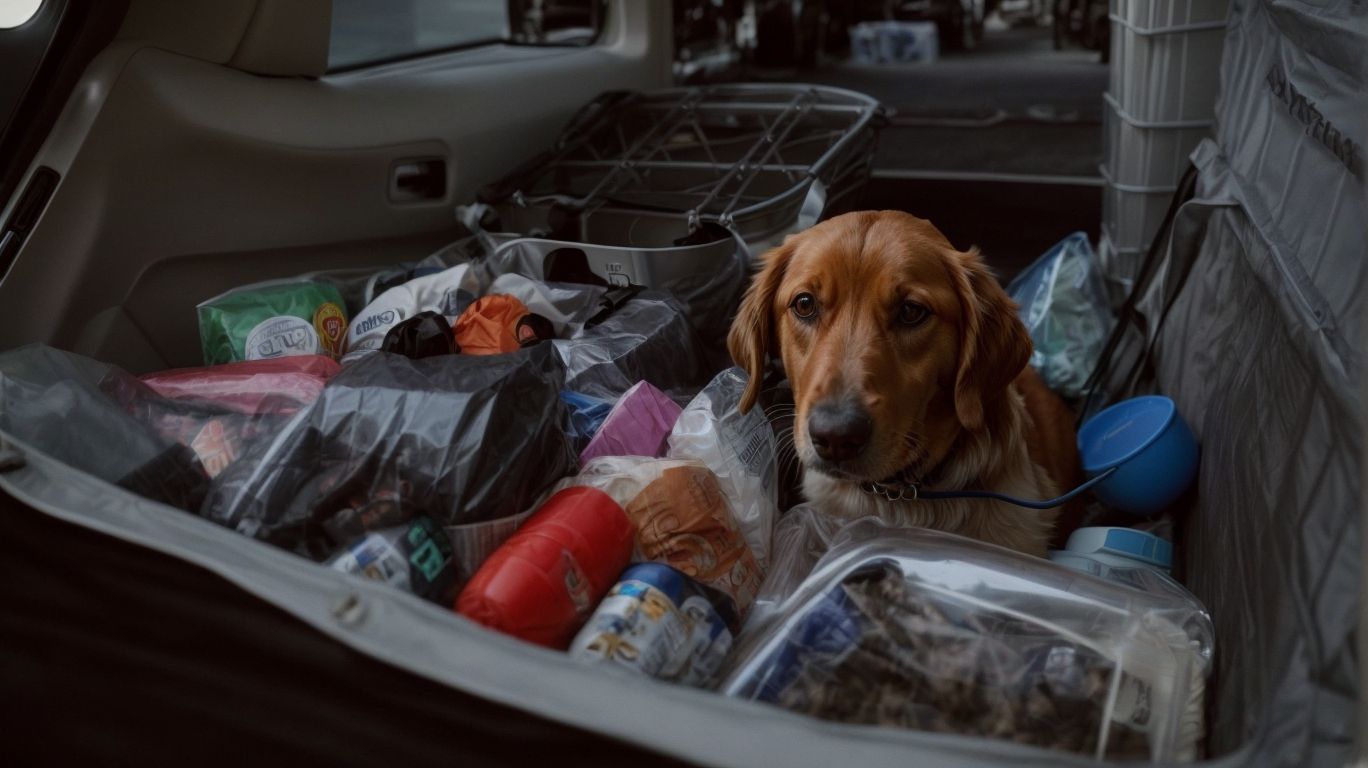


Moving to a new home is an exciting time, but when you have a furry friend to consider, there are some important legal and safety considerations to keep in mind. Understanding the laws, rules, and regulations surrounding pet transportation is crucial, as is ensuring your pet’s safety and well-being throughout the moving process. In this guide, we’ll cover everything you need to know about shipping your dog across the country, from preparing your pet for the move to tips for a smooth moving day. We’ll also discuss how to assist your dog in adjusting to the new environment and the benefits of utilizing professional pet moving services.
Whether you’re relocating for a new job, a change of scenery, or any other reason, we’re here to help make the transition as comfortable as possible for both you and your beloved canine companion.
Key Takeaways:
Introduction
Moving with pets, especially across long distances or to a new country, involves careful planning, consideration of regulations, and ensuring the safety and well-being of your furry companions.
One of the primary challenges is to research and adhere to the specific regulations and requirements for transporting pets, including vaccinations, health certificates, and quarantine laws if applicable, in the destination location. It’s essential to contact the relevant authorities, such as airlines, embassies, or veterinary offices, to obtain up-to-date information and necessary documentation.
Along with the regulatory aspects, pet owners also need to focus on the comfort and emotional well-being of their pets during the move. Introducing them to travel crates or carriers gradually, making them familiar with the vehicle, and considering their anxiety or motion sickness are crucial aspects to address.
Long-distance moves necessitate meticulous planning for the transport of pets, ensuring accessibility to pet-friendly accommodations en route and making stops for exercise and bathroom breaks. It’s important to pack familiar items, such as food, water, bedding, and toys, to provide a sense of security and familiarity during the journey.
Understanding the Legal and Safety Considerations
Before embarking on a cross-country move with pets, it is crucial to understand and comply with the legal regulations and safety guidelines set forth by authorities such as the U.S. Department of Agriculture (USDA) and the Animal Plant Health Inspection Service (APHIS).

Regulations for transporting pets can vary depending on the destination. For example, Hawaii has specific import requirements for pets, including mandatory rabies quarantine. It’s important to thoroughly research and comply with these regulations to avoid any issues upon arrival.
When preparing for a long-distance move with pets, it’s essential to prioritize their well-being and safety. This involves ensuring that their transportation carriers meet the size and ventilation requirements specified by regulatory authorities. Providing familiar bedding, water, and sufficient breaks during the journey are crucial for minimizing stress and discomfort for the animals.
Compliance with USDA and APHIS regulations not only ensures a smooth transition for your pets but also contributes to maintaining animal welfare standards. By adhering to these guidelines, pet owners can mitigate potential risks and make the entire moving process safer and more comfortable for their furry companions.
Check Laws, Rules, and Regulations
When planning a cross-country move with pets, it is imperative to thoroughly check and understand the laws, rules, and regulations governing pet transportation, including vaccination requirements and travel restrictions imposed by relevant authorities such as the USDA and private carriers like CitizenShipper.
Ensuring compliance with vaccination mandates is crucial for pet owners. Vaccination requirements can vary based on the destination state or country. For example, some locations may require specific vaccinations for diseases such as rabies or canine influenza. It is essential to have the appropriate vaccinations administered and documented by a licensed veterinarian to meet these regulatory standards.
Travel restrictions set by both official bodies and private carriers must be carefully considered and adhered to. Many airlines and transport companies have their own carrier-specific regulations for pet transport, including guidelines for crate sizes, documentation, and health certifications. Understanding and fulfilling these requirements are essential to ensure a smooth and stress-free relocation for pets.
Along with federal regulations enforced by the USDA, pet owners should also be aware of state-specific laws that may impact pet transportation. Some states have their own importation requirements for animals, which might involve additional health tests or documentation. Being informed about these state regulations is fundamental for a compliant and hassle-free move.
Ensuring Pet Safety and Well-being
Prioritizing the safety and well-being of pets during a cross-country move involves careful selection of secure crates or carriers, scheduling veterinary check-ups, and ensuring proper identification through measures such as microchipping to facilitate a smooth and secure travel experience.

Choosing the right crate or carrier is essential to provide a comfortable and secure environment for pets during the journey. It’s crucial to opt for well-ventilated and appropriately sized carriers to accommodate their needs.
Scheduling a thorough veterinary check-up before the move ensures that your pet is in good health and fit for travel. It’s an opportunity to update any necessary vaccinations and obtain health certificates required for the journey.
Permanent identification, such as microchipping, provides a reliable method for reuniting pets with their owners in case they accidentally get separated during the move. It offers peace of mind and enhances the chances of a safe reunion.
Preparing Your Dog for the Move
Preparing your dog for a move, especially a long-distance one, involves scheduling a comprehensive veterinary check-up, ensuring all necessary vaccinations are up to date, and establishing a routine in collaboration with a trusted veterinarian to address any health or behavioral concerns.
Before embarking on a long-distance move with your furry companion, it’s crucial to consult your veterinarian for a thorough health assessment. This visit should include a discussion about potential travel-related stressors and any necessary medications or supplements. Make sure to obtain copies of your dog’s medical records, including vaccination certificates, as these will be needed when settling into a new location.
Discuss with your veterinarian about any telemedicine services available that can provide guidance during the transition and once you’ve arrived at your new destination.
Scheduling a Comprehensive Veterinary Checkup
Before a long-distance move, it is essential to schedule a comprehensive veterinary checkup for your dog, ensuring that all vaccinations are current, and addressing any health concerns or specific requirements through telemedicine services such as TeleVet or FirstVet.
Regular veterinary check-ups play a crucial role in preparing dogs for a long-distance move. Apart from updating vaccinations, these check-ups allow veterinarians to conduct thorough health assessments to ensure the dog’s overall well-being.

The utilization of telemedicine services like TeleVet or FirstVet provides a convenient option for remote consultations, particularly when preparing for a move. It’s an effective way to address any health concerns or specific requirements without the need for in-person visits, which can be especially beneficial if the move involves a significant distance.
Gradually Introducing Your Pet to the Moving Process
To facilitate a smoother transition, gradually introducing your pet to the moving process involves making necessary routine adjustments, utilizing calming aids such as ThunderShirt, and consulting with a veterinarian to address any specific concerns such as exposure to Leptospira bacteria in certain regions.
When preparing to move with a pet, maintaining their regular routine as much as possible can ease their adjustment. Begin by maintaining consistent feeding, playtime, and walking schedules amidst the chaos of packing and moving. This helps them feel secure and minimizes their stress during the upheaval. Using calming aids, like Thundershirt or pheromone diffusers, can provide comfort during the transition. Consulting with a veterinarian is crucial, especially in identifying potential environmental hazards or health risks in the new location, such as specific parasites or allergens.
Training and Familiarizing Your Dog with Car Rides
Preparing your dog for car rides during the move involves incremental training, familiarizing them with travel routines, and ensuring their safety and comfort through gradual adjustments to the travel environment and vehicle accommodations.
When introducing your dog to car rides, start with short trips to nearby locations which are associated with positive experiences, like a visit to the park or a friend’s house. This helps create a positive association with car rides. Gradually increase the duration and distance of the trips to help them acclimatize to longer journeys.
Consider investing in safety equipment such as a travel harness or a crate to secure your pet during the ride. Familiarizing them with the vehicle’s interior and practicing basic commands during the trips can further enhance their comfort and safety. It’s important to monitor their behavior and provide positive reinforcement throughout the training process to create a sense of security and ease for your furry companion.
Updating Pet Identification and Records
As part of the preparation for the move, it is crucial to update your pet’s identification, including microchipping if necessary, and organizing their health and travel records to ensure seamless and secure relocation, especially when utilizing services like U-Pack.
Updating your pet’s identification before a move is essential in safeguarding their safety and well-being. Microchipping plays a pivotal role in ensuring that your furry friend is easily traceable in case of separation during the relocation process.
Organizing their health and travel records including vaccination certificates, medical history, and any specific dietary or medical needs is crucial. This comprehensive approach not only facilitates a smooth move but also provides peace of mind during the transition.
When engaging relocation services such as U-Pack, having updated pet identification and records can streamline the process and mitigate any potential challenges. It ensures that your beloved pet’s information is readily available and up to date, allowing for a secure and seamless relocation experience.
Tips for a Smooth Moving Day
On the moving day, it is essential to create a safe and comfortable environment for pets during transportation, including regular rest stops at designated areas to ensure their well-being and comfort throughout the journey.
When traveling with pets, it’s crucial to plan the logistics of the journey with their specific needs in mind. Before the moving day, ensure that your pet is microchipped and has a comfortable carrier or crate for the journey. When on the road, secure the carrier safely in the vehicle to prevent any unexpected movements. In addition, consider adding familiar items such as blankets or toys to the carrier to provide a sense of comfort and security for your pet.
As you hit the road, identify pet-friendly rest areas along the route where you can take breaks. These areas should offer facilities for pets to stretch, hydrate, and relieve themselves. Always keep your furry friend on a leash during rest stops to prevent any potential accidents or runaway situations.
It’s also important to regulate the temperature within the vehicle, ensuring it is neither too hot nor too cold for your pet. Consider using window shades to shield them from direct sunlight and maintain a comfortable environment. Always have a supply of fresh water available to keep your pet hydrated during the journey.
Creating a Safe and Comfortable Environment During Transportation
Ensuring a safe and comfortable environment for pets during transportation involves compliance with regulations, provision of secure carriers or crates, and opportunities for resting and comfort during the journey to alleviate travel-related stress.
Regarding compliance with regulations, pet owners should ensure that their furry companions meet the requirements for travel, including vaccinations and health certifications. Secure carriers or crates are essential for providing a stable and protected space for pets while on the move. It’s important to equip the carriers with absorbent bedding to manage accidents and keep the pets dry and comfortable.
Rest stops are crucial for pets to stretch their legs, drink water, and relieve themselves. Planning the travel route with pet-friendly rest areas and accommodations is essential. Allow pets to rest and relax in a sanitized and safe environment, and provide them with familiar toys or blankets to ease their anxiety during the journey.
Ensuring Proper Rest and Comfort Stops
During the journey, ensuring proper rest and comfort stops for pets at designated rest areas is crucial to alleviate stress, maintain comfort, and comply with transportation regulations, promoting their well-being throughout the moving process.
Planning these stops is not just about convenience, but it’s also a matter of safety and well-being for your furry companions. These breaks allow pets to stretch their legs, relieve themselves, and stay hydrated. By providing these essential breaks at designated areas, pet owners can also ensure compliance with transportation regulations regarding pet travel. It’s important to research and identify pet rest areas along the route to effectively plan these stops, ensuring that pets experience minimal stress during the journey.
These stops contribute to the overall well-being of pets by reducing anxiety and restlessness, which can occur during long car rides. The promoted well-being of pets is not only about physical comfort but also about maintaining their mental and emotional state. Regular breaks can make the journey more enjoyable and less anxious for your pets, contributing to a smoother and more pleasant travel experience for both pets and pet owners.
Assisting Your Dog in Adjusting to the New Environment
Assisting your dog in adjusting to a new environment involves establishing a familiar and comforting space in the new home, reestablishing routines, and scheduling a visit to the new veterinarian for continued care and support.
Creating a designated area for your dog in the new home with familiar blankets, toys, and bedding can provide a sense of security and comfort. Introduce your dog to the new surroundings gradually, allowing them to explore and become comfortable at their own pace.
Establishing a consistent routine for feeding, walks, and playtime can help your dog adapt to the new schedule. It’s essential to reach out to a veterinarian in the new location to transfer your dog’s medical records, discuss any specific health needs, and evaluate any potential environmental changes. Regular check-ups and preventive care in the new location are crucial for maintaining your dog’s well-being in their new environment.
Establishing a Familiar and Comforting Space in the New Home
Upon arrival at the new home, prioritizing the establishment of a familiar and comforting space for pets, maintaining their routine, and seeking guidance from a veterinarian is essential to facilitate a smooth adjustment and promote their well-being.
Ensuring that the new environment offers a sense of security and familiarity is crucial. Creating a designated area with their bed, toys, and familiar scents can help alleviate stress for pets. Additionally, routine maintenance like feeding, exercise, and grooming should be maintained to provide stability during the transition. This consistency reassures pets and aids in their adjustment.
Seeking guidance from a veterinarian ensures that any health concerns or behavioral issues are promptly addressed. Their expertise can offer insights on pet-specific needs, such as dietary adjustments or anxiety management, fostering a seamless transition to the new home.
Reestablishing Routines and Familiar Activities
Reestablishing familiar routines and activities in the new home is crucial for pets to adjust comfortably, ensuring continuity and familiarity amidst the changes, promoting their sense of security and well-being.
When pets move to a new environment, the stability of familiar routines and activities can greatly alleviate their stress and anxiety. Consistency in feeding times, walks, playtime, and grooming provides reassurance and a sense of predictability for pets, reinforcing their trust in their surroundings. Including familiar objects, such as their favorite toys or bed, creates an environment that reflects their previous home, aiding in a smooth transition. Engaging them in regular exercise and play encourages physical and mental stimulation, further supporting their adjustment to the new setting.
Scheduling a Visit to the New Veterinarian
Arranging a visit to the new veterinarian upon settling in the new location is essential to ensure continued care, adjustment support, and the maintenance of pet health, leveraging services such as FirstVet for remote consultations if necessary.
Establishing a relationship with a new veterinarian is crucial as they play an integral role in safeguarding the well-being of your pets. Regular check-ups, vaccinations, and health screenings are important for the early detection of any potential health issues. In a new environment, pets may face adjustment challenges, making it even more crucial to seek guidance from a trusted veterinarian.
The accessibility of services like FirstVet can be a valuable asset, providing the option for remote consultations with experienced veterinarians to address concerns or seek advice without the need for an in-person visit.
Utilizing Professional Services for a Comfortable Move
Utilizing professional pet moving services offers numerous benefits, including expert assistance, ensuring a smooth transition, and leveraging reputable providers such as CitizenShipper for reliable and comfortable relocation experiences for pets.
Professional pet moving services are equipped with the knowledge and resources to handle every aspect of a pet’s relocation. This includes expert guidance on paperwork, regulations, and necessary documents, making the entire process much less daunting. These services are adept at ensuring a seamless transition for pets, minimizing the stress and anxiety that can often accompany a move.
Frequently Asked Questions
What is cross country pet transport cost and what factors affect it?
Cross country pet transport cost refers to the fees associated with transporting a pet from one location to another across a long distance. The cost can vary depending on factors such as the mode of transportation, distance, and additional services required.
What are the different modes of transportation for cross country pet transport?
The most common modes of transportation for cross country pet transport are by road, air, and train. Each mode has its own set of costs and factors that can affect the overall price.
How is the distance of the journey calculated for cross country pet transport?
The distance for cross country pet transport is typically calculated based on the actual distance between the starting and ending locations. This can also include any additional detours or stops along the way.
What are some additional factors that can impact the cost of cross country pet transport?
Some additional factors that can affect the cost of cross country pet transport include the size and breed of the pet, any special requirements or accommodations, and the time of year or season of the journey.
Are there any additional services that may be included in the cost of cross country pet transport?
Yes, some pet transport companies may offer additional services such as door-to-door pickup and delivery, overnight stays, and pet tracking services. These services may be included in the overall cost or may require an additional fee.
How can I estimate the cost of cross country pet transport?
The best way to estimate the cost of cross country pet transport is to consult with a pet transport company and provide them with details about your pet, the desired mode of transportation, and the distance of the journey. They can then provide you with a more accurate cost estimate.

Guiding SEO strategies for nationwide pet transportation services. With a wealth of experience in marketing, committed to showcasing safe and reliable pet transport options across the USA.