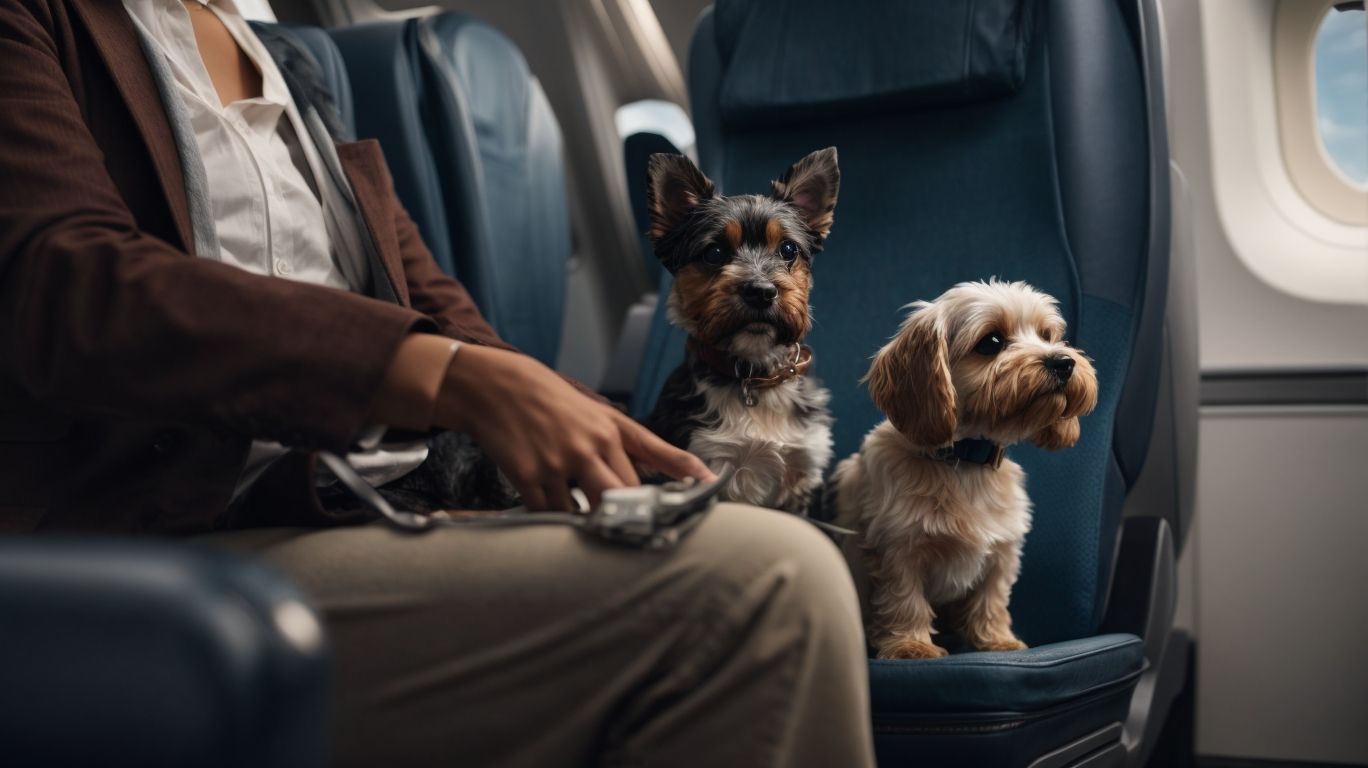


Are you considering flying with your emotional support dog but unsure of where to start? This comprehensive guide will walk you through everything you need to know before, during, and after your flight. From understanding the role of an emotional support animal to preparing for the journey with necessary documentation and equipment, we’ve got you covered.
Learn how to navigate the airport with ease and ensure a comfortable flight for your furry companion. Stay tuned for tips on proper onboard etiquette and resources for support along the way.
Key Takeaways:
Introduction to Flying with Your Emotional Support Dog
Flying with your emotional support dog can be a rewarding and comforting experience, ensuring both you and your loyal companion can navigate air travel with ease.
Having your furry friend by your side during a flight can provide a sense of security and calmness, reducing anxiety and stress that may arise from traveling. Airlines have specific guidelines in place for flying with an emotional support animal (ESA) , including the need for proper documentation and arrangements. It’s important to research the airline’s policies beforehand and inform them of your ESA to ensure a smooth journey for both of you. Training your ESA to be comfortable in a new environment, such as an aircraft cabin, is also crucial for a successful flight.
Understanding the Role of an Emotional Support Animal
An emotional support animal (ESA) plays a crucial role in providing comfort and assistance to individuals with emotional or psychological conditions, offering much-needed support in various environments.
Unlike service animals trained to perform specific tasks for persons with disabilities, emotional support animals primarily provide companionship and comfort by their presence. ESAs are prescribed by licensed mental health professionals to help alleviate symptoms associated with mental health issues such as anxiety, depression, or PTSD. The bond between an individual and their ESA can have therapeutic benefits, reducing stress, anxiety, and feelings of loneliness. ESAs are granted certain legal protections under the Fair Housing Act and the Air Carrier Access Act, allowing them to accompany their owners in housing or during air travel.
Importance of Following Airline Guidelines
Adhering to airline guidelines and Department of Transportation (DOT) rules is essential when traveling with your emotional support dog, ensuring a smooth and stress-free journey for both you and your furry companion.

When following airline policies and DOT regulations, you help maintain a safe and comfortable environment not only for yourself but for fellow passengers as well. Non-compliance with these rules can lead to potential delays, fines, or even denial of boarding.
Understanding the specific regulations around emotional support animals set by each airline is crucial to avoid any last-minute surprises or hurdles during your travel. By adhering to DOT rules , you contribute to the overall efficiency and smooth operation of airline services.
Preparation for Flying with Your Emotional Support Dog
Proper preparation is key when getting ready to fly with your emotional support dog, from gathering necessary documentation to familiarizing yourself with airline policies and training requirements.
Before embarking on your journey, make sure to gather all essential documents, including your dog’s medical records, vaccination certificates, and any required identification tags. It is vital to have these with you to present them when requested by airline staff or authorities.
Focus on ensuring that your emotional support dog is well-trained and well-behaved in various situations. This will help minimize any potential stress or disruptions during the flight, making the experience smoother for you and your furry companion.
Take the time to review the specific policies of the airline you are flying with regarding emotional support animals. Familiarize yourself with any restrictions, guidelines, or procedures they have in place to facilitate a hassle-free travel experience.
Gathering Necessary Documentation and Equipment
Collecting the required documentation, including an ESA letter and appropriate pet carrier, is crucial for ensuring a hassle-free travel experience with your emotional support dog.
Furthermore, if you’re exploring other shipping or transportation options for your pet, consider looking into pet transportation services offered by CitizenShipper. This can be an excellent alternative or complement to air travel, ensuring your emotional support animal reaches its destination safely and comfortably.

An ESA letter serves as proof from a licensed mental health professional that your dog provides necessary support for your emotional well-being. Airlines may require vaccination records, health certificates, and tags displaying your dog’s name. Ensuring your pet carrier meets airline regulations is essential—choose a carrier that allows your dog to comfortably stand, turn around, and lie down. Some airlines may also request advance notification of your intention to travel with your emotional support dog to facilitate a seamless process.
Researching Airline Policies and Requirements
Understanding and aligning with different airline policies and training requirements is essential, especially when selecting pet-friendly airlines that cater to emotional support animals.
Each airline has its own set of rules and regulations regarding emotional support animals, which can include specific documentation requirements, behavioral expectations, and even restrictions on certain breeds. Compliance with these policies is crucial to ensure a smooth travel experience for both the passenger and their emotional support animal. In addition, some airlines may provide additional training or certification options for emotional support animals to ensure they are well-behaved and comfortable during the flight.
Navigating the Airport with Your Emotional Support Dog
Navigating the airport with your emotional support dog requires careful planning and awareness, especially when passing through security checkpoints and boarding processes.
At the security checkpoint, notify the officers that you have an emotional support dog and be prepared to provide any necessary documentation. Your dog will need to go through the security screening along with you, so be ready to have them out of their carrier and on a leash.
During the boarding process, inform the airline staff about your emotional support dog, and they will assist you with finding suitable seating. Remember to keep your dog calm and comfortable throughout the boarding process to ensure a smooth experience for both of you.
Preparing Before Arriving at the Airport
Engage in thorough travel preparations including identifying pet relief areas and understanding airport layouts to ensure a stress-free experience for you and your emotional support dog before arriving at the airport.
When preparing to travel with your emotional support dog, it is crucial to familiarize yourself with the specific airport layout of the terminals you will be navigating through. This includes locating entrances, check-in counters, security checkpoints, and boarding gates to ensure a smooth journey. Be sure to research and identify designated pet relief areas within the airport where your furry companion can take care of their needs before and after the flight.
Getting Through Security Smoothly

Streamlining the security process involves understanding pet fees , adhering to pet travel policies , and complying with airport regulations to ensure a hassle-free journey with your emotional support dog.
In terms of navigating security checkpoints with your emotional support dog, it’s crucial to be well-prepared. Start by checking the specific pet fees and regulations set by your airline. Some airlines offer waivers for emotional support animals, while others may charge a nominal fee. Familiarize yourself with the airline’s pet travel policies regarding documentation, crate requirements, and overall pet handling procedures.
It’s essential to understand the airport policies governing emotional support animals. Each airport may have its own set of rules and designated areas for pet relief. Arrive early to allow ample time to go through security screenings and provide any necessary documentation to the TSA agents.
Ensuring a Comfortable Flight for Your Emotional Support Dog
Ensuring a comfortable flight experience for your emotional support dog involves practicing proper onboard etiquette, communicating with flight attendants, and prioritizing your pet’s comfort throughout the journey.
One essential aspect of maintaining pet comfort during the flight is to ensure your emotional support dog’s well-being remains a top priority. This includes familiarizing your pet with their carrier well before the flight, ensuring they have sufficient water and snacks, and providing them with a comfortable space to rest. It is important to stay calm and composed during interactions with flight attendants to create a positive environment for your pet. Remember, a relaxed owner translates to a calm pet, contributing to a smoother flying experience for both you and your furry companion.
Proper Onboard Etiquette
Observing proper onboard etiquette, considering seatmates’ comfort, and utilizing pet-calming medication can enhance the in-flight experience for both you, your emotional support dog, and fellow passengers.
When flying with an emotional support dog, it’s crucial to be mindful of how your furry companion’s behavior can impact others sharing the aircraft cabin. By respecting seatmates through your dog’s behavior and interactions, you create a more pleasant atmosphere for all onboard.
The use of pet-calming medication can help alleviate any potential stress or anxiety your dog may experience during the flight, contributing to a more relaxed and harmonious journey for everyone involved.
Support Organizations for Emotional Support Animal Owners
Emotional support animal owners can benefit from connecting with support organizations, finding travel buddies, and understanding their rights under the Air Carrier Access Act and Fair Housing Act.
Emotional support organizations play a crucial role in providing guidance, resources, and a sense of community to ESA owners . These organizations offer platforms where individuals can share experiences, access helpful information, and connect with like-minded individuals who understand the unique challenges and joys of having an ESA . Having a designated travel buddy can greatly enhance the travel experience for ESA owners by providing additional comfort and security during journeys. Knowing their rights under the Air Carrier Access Act and Fair Housing Act enables ESA owners to advocate for their needs and ensure they are treated fairly and respectfully in various contexts.
Conclusion
Navigating air travel with your emotional support dog requires careful planning, adherence to airline accommodations, and awareness of travel regulations to ensure a seamless and stress-free experience, benefiting your mental health and overall travel satisfaction.
Airline accommodations play a crucial role in making your journey comfortable by providing designated spaces for your emotional support dog, ensuring a smooth boarding process and a comfortable flight. It’s essential to communicate with the airline in advance, submit necessary documentation, and familiarize yourself with their specific policies to avoid any last-minute hassles. Compliance with travel regulations is equally important to avoid any complications, such as ensuring your dog’s vaccinations are up to date and having all required paperwork on hand.
Frequently Asked Questions
What is a Guide to Flying with Your Emotional Support Dog?
A Guide to Flying with Your Emotional Support Dog is a comprehensive resource that provides information and guidance for individuals who plan to travel by air with their emotional support dog. This guide covers everything from airline policies to tips for making the journey as smooth as possible for you and your furry companion.
Do all airlines allow Emotional Support Dogs on flights?
No, not all airlines allow Emotional Support Dogs on flights. While the Air Carrier Access Act (ACAA) protects the rights of individuals with disabilities and their service animals, this does not extend to emotional support animals. Each airline has its own policies and procedures for accommodating emotional support animals, so it is important to check with your specific airline before booking your flight.
What are the requirements for flying with an Emotional Support Dog?
The requirements for flying with an Emotional Support Dog may vary depending on the airline, but there are some general guidelines that apply. Your emotional support dog must be well-behaved, properly trained to behave in public settings, and must be under your control at all times. You will also need to provide documentation from a licensed mental health professional stating that you have a disability and require the presence of an emotional support animal during air travel.
Can my Emotional Support Dog sit with me on the plane?
Most airlines will allow your Emotional Support Dog to sit with you on the plane, but this may vary depending on the airline’s policies. Some airlines may require your dog to stay on the floor by your feet, while others may allow your dog to sit on your lap or in the seat next to you. It is important to check with your specific airline to understand their policies and make any necessary arrangements beforehand.
How can I prepare my Emotional Support Dog for a flight?
It is important to prepare your Emotional Support Dog for a flight to ensure they are comfortable and well-behaved during the journey. You can do this by gradually acclimating them to the airport and plane environment, practicing good behavior and obedience, and providing them with any necessary amenities such as a carrier, food, and water. It is also recommended to consult with your veterinarian before the flight to ensure your dog is healthy and able to handle the trip.
Are there any additional resources for flying with an Emotional Support Dog?
Yes, there are several additional resources available for individuals who plan to fly with their Emotional Support Dog. You can consult with your airline, read through the Air Carrier Access Act, and access online forums and communities for individuals who have experience traveling with emotional support animals. It may also be helpful to speak with your mental health professional for tips and advice specific to your situation.

Guiding SEO strategies for nationwide pet transportation services. With a wealth of experience in marketing, committed to showcasing safe and reliable pet transport options across the USA.