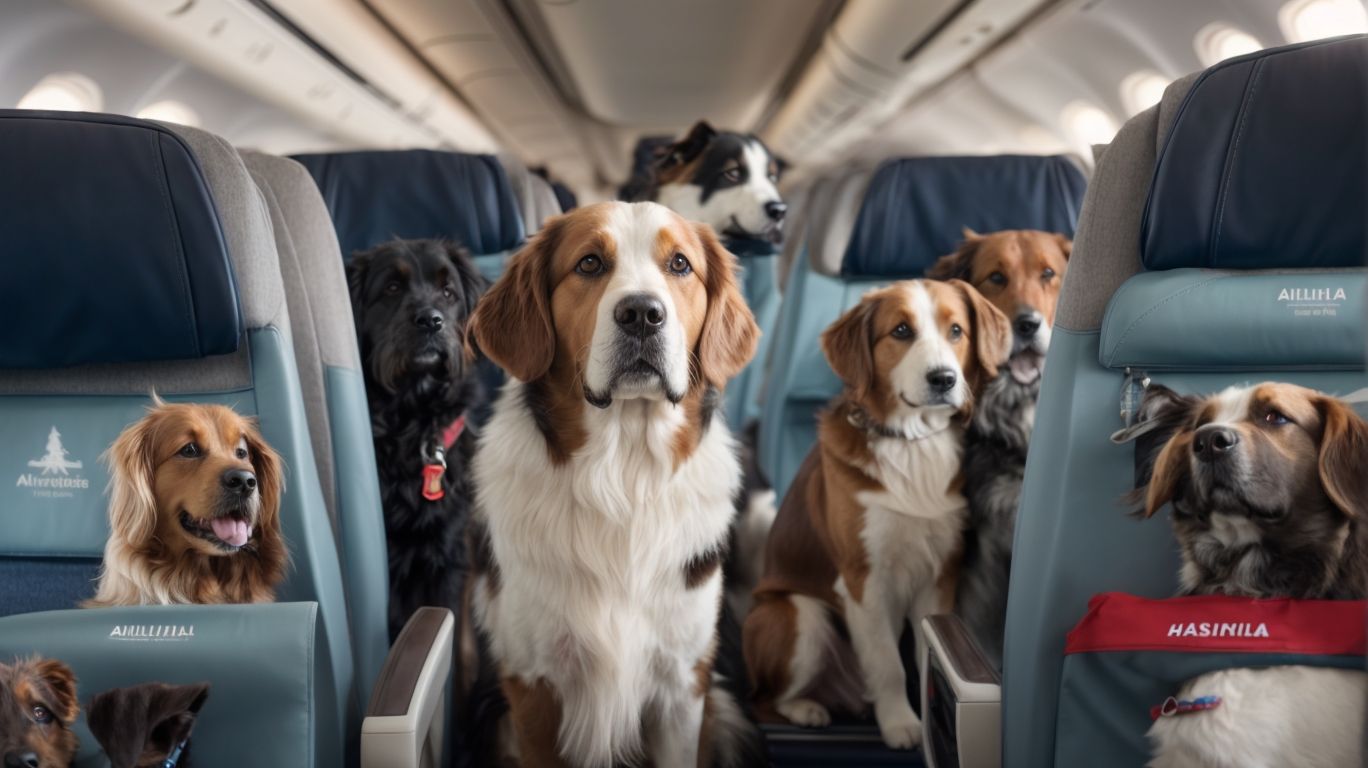


Are you considering traveling with your furry companion? Before you book your next flight, it’s essential to understand the guidelines and policies surrounding flying with dogs.
From preparing your dog for air travel to choosing the right pet carrier, this comprehensive guide covers everything you need to know. Whether you’re flying with a service or emotional support dog, or want to know which airlines are dog-friendly, we’ve got you covered.
Stay informed about restrictions, regulations, and procedures for a smooth and stress-free journey with your canine companion.
Key Takeaways:
- Before flying with your dog, familiarize yourself with airline policies and prepare your dog for the journey with necessary health and travel requirements.
- Consider the safety and comfort of your dog when choosing between in-cabin and cargo travel, and choose a suitable crate if needed.
- Service and emotional support dogs have specific regulations and can fly on most airlines, but certain breeds may be restricted for air travel.
Introduction to Airline Pet Policies
In terms of traveling with dogs, understanding airline pet policies is crucial to ensure a smooth journey for both you and your furry companion.
These policies vary between airlines, with some allowing pets in the cabin while others require pets to travel in the cargo hold. Health requirements such as up-to-date vaccinations, a health certificate, and proper crate sizing are typically non-negotiable. Failing to comply with these regulations could result in denied boarding or quarantine upon arrival.
Being prepared and informed about these policies can make a significant difference in your pet’s travel experience and avoid any last-minute stress or complications. It’s advisable to contact the airline directly or check their website for detailed guidelines specific to traveling with pets.
Understanding the Guidelines for Flying with Dogs
Before embarking on your journey, familiarize yourself with the guidelines for flying with dogs, including restrictions on weight, age, and size imposed by different airlines.

Each airline has its own specific rules regarding flying with dogs. Some may have weight restrictions, typically ranging from 15-50 pounds, for in-cabin travel. Larger dogs may need to fly as cargo, subject to additional regulations. Airlines might require that dogs be at least 8 weeks old to fly, with some setting a minimum age of 16 weeks. Size specifications are crucial, with carriers often mandating specific dimensions for in-cabin pet carriers to ensure the safety and comfort of both the animal and other passengers.
Preparing Your Dog for Air Travel
Preparing your dog for air travel involves obtaining necessary certificates from a veterinarian, ensuring your pet is fit for the journey, and carrying any required medications or documentation.
Before embarking on your trip with your furry companion, schedule a visit to your veterinarian to obtain a health certificate confirming your dog’s vaccinations and overall health status. This certificate is essential for air travel and verifies that your pet is in good condition to travel.
It’s crucial to check if your dog is fit for the journey by considering factors such as age, breed, and any underlying health issues. Remember to pack essential medications like flea and tick preventatives, any prescribed drugs, and your pet’s favorite snacks to keep them comfortable during the flight.
Remember, proper documentation is key to a stress-free travel experience for both you and your beloved dog.
Health and Travel Requirements Checklist
Creating a health and travel requirements checklist is essential before flying with your dog to ensure compliance with airline regulations and safeguard your pet’s well-being.
Starting with health certificates, it’s crucial to have all documents up to date, including proof of vaccinations and a recent health check from your veterinarian. Airlines often require specific paperwork, so checking their individual policies is a must. Your dog should be in good health before the flight, with no signs of illness or distress. It’s also essential to comply with any size or breed restrictions set by the airline to avoid any last-minute issues during check-in.
Choosing a Suitable Pet Carrier for Cabin Travel
Selecting the right pet carrier for cabin travel, such as the Sherpa Original Deluxe Airline-Approved Dog & Cat Carrier Bag, is crucial to ensure your dog’s comfort and safety during the flight.

In terms of air travel with pets, the right carrier can make all the difference. The Sherpa Original Deluxe Carrier Bag is a popular choice among pet owners for its airline-approved design and thoughtful features. With mesh panels for ventilation, a padded adjustable shoulder strap, and a machine-washable faux lambskin liner, this carrier prioritizes both comfort and convenience.
Remember, when selecting a pet carrier for cabin travel, it’s essential to consider not just the size but also the durability and ease of use. Opting for a high-quality carrier like the Sherpa Original Deluxe ensures that your furry companion travels in style and safety with you.
Flying with Dogs: In-Cabin vs. Cargo Area
Deciding between in-cabin and cargo area travel for your dog involves weighing safety and comfort factors to choose the most suitable option for your pet’s journey.
When opting for in-cabin travel, your furry companion can stay close to you throughout the journey, providing a sense of security and comfort. In-cabin travel reduces the risk of your dog facing extreme temperatures or rough handling that are more common in cargo areas. In-cabin travel may be limited by the size and weight restrictions imposed by airlines, making it challenging for larger dogs.
Cargo area travel, on the other hand, can accommodate larger breeds comfortably and allows more movement space. This option is ideal for dogs that require ample space to move around during the flight. Nonetheless, cargo travel poses potential risks such as temperature fluctuations, noise exposure, and limited human interaction, which could lead to increased stress for your pet.
Determining the Safety and Comfort of Your Dog
Ensure the safety and comfort of your dog throughout the flying journey by making informed decisions regarding travel arrangements and accommodations.
When preparing for air travel with your furry friend, start by checking with the airline on their specific pet policy and requirements. This includes understanding the size restrictions for in-cabin carriers and necessary documentation such as health certificates or vaccination records.
It is crucial to acclimate your dog to the travel crate or carrier well before the flight. Gradually introduce them to the crate, allowing them to explore and associate it with positive experiences to reduce anxiety during the journey.

Consider the duration of the flight and plan accordingly. Long flights may require specific meal and potty schedules to ensure your dog’s comfort and well-being throughout the journey.
Choosing the Right Crate for Cargo Travel
Selecting the appropriate crate for cargo travel is essential to comply with airline regulations and provide a secure and comfortable environment for your dog during the flight.
When choosing a crate for air travel, it is crucial to consider the size requirements specified by airlines to ensure your dog has enough room to stand, turn around, and lie down comfortably. Ensuring that the crate is sturdy and well-ventilated is vital for your pet’s safety and well-being during the journey. Opt for crates with secure locking mechanisms to prevent any accidental openings. It is also recommended to include absorbent bedding to keep the crate clean and dry during the flight. Keeping your furry companion’s comfort and safety in mind will lead to a smoother and stress-free travel experience for both you and your pet.
Service and Emotional Support Dogs on Flights
Understanding the regulations and distinctions between service and emotional support dogs is crucial for their accommodation and adherence to airline policies during flights.
Service dogs are specially trained to perform specific tasks for individuals with disabilities, such as guiding individuals who are visually impaired or alerting individuals with hearing impairments. On the other hand, emotional support dogs provide comfort and support through their presence to individuals with mental health conditions.
Airlines are required to allow both service animals and emotional support animals to accompany their owners in the cabin, but there are different policies and documentation requirements for each. Service dogs typically require more formal training and documentation, while emotional support dogs may only need a letter from a mental health professional.
Defining Service Animals and Their Regulations
Service animals play a vital role in providing assistance to individuals with disabilities, and understanding the regulations set by organizations like the DOT is crucial for their safe accommodation on flights.
Service animals are specially trained to perform tasks that aid their handlers with various disabilities, such as guiding individuals who are visually impaired, alerting those who are hearing impaired, and providing emotional support for individuals with mental health conditions. These animals undergo extensive training to ensure they can effectively assist their handlers in everyday tasks and emergencies.
Service animals are not considered pets but rather as working animals with a specific job to fulfill, making their presence essential for the well-being and independence of their handlers.
Airlines Allowing Dogs Onboard
Several airlines allow dogs onboard, subject to specific restrictions and rules that passengers must adhere to when traveling with their pets.
When considering traveling with your furry companion, it’s essential to be well-informed about the varying pet policies set by different airlines. For instance, some airlines only permit dogs in the cabin if they fit under the seat in front, while others allow larger breeds to travel in the cargo hold. Understanding these distinctions can help you choose the most convenient option for both you and your dog.
Airlines may have specific requirements in terms of necessary documentation, such as health certificates, proof of vaccinations, and booking procedures for pet travel. It’s crucial to check these prerequisites beforehand to ensure a smooth journey with your four-legged friend.
Overview of Dog-Friendly Airlines
Dog-friendly airlines cater to pet owners by offering tailored travel options that accommodate dogs within specified restrictions and guidelines to ensure a safe and pleasant journey.
These airlines typically have pet travel policies in place that outline the rules and regulations for bringing dogs on board. Passengers must meet certain requirements, such as providing up-to-date health certificates, ensuring the dog is well-behaved and properly restrained during the flight.
Along with the basic requirements, some airlines go the extra mile to make the travel experience enjoyable for both the pets and their owners. They may offer special amenities like pet-friendly cabins or designated pet areas, allowing dogs to travel comfortably in their own space.
Specific Policies of American Airlines, Delta, Southwest, United, JetBlue, and Frontier
American Airlines, Delta, Southwest, United, JetBlue, and Frontier each have specific policies and rules regarding traveling with dogs, outlining the requirements and procedures for pet accommodation on their flights.
When flying with American Airlines, passengers can bring small dogs or cats in the cabin for a fee, while larger pets must be transported in the cargo hold. Delta Airlines also allows small dogs, cats, and household birds in the cabin, with appropriate documentation and fees. Southwest Airlines permits only small vaccinated cats and dogs to fly in the cabin, with certain breed restrictions.
United Airlines has strict guidelines for pet travel, with options for flying pets as checked baggage, in-cabin, or through their PetSafe program for animals not eligible for cabin transport. JetBlue offers a JetPaws program, including a pet carrier bag tag and an additional 300 TrueBlue points. Frontier Airlines accepts small pets in the cabin for an additional fee, with limited spots available on each flight.
Restricted Dog Breeds for Air Travel
Certain dog breeds face restrictions when it comes to air travel, particularly brachycephalic and bully breeds, due to their specific anatomical considerations and health risks.
Brachycephalic dogs like French Bulldogs and Pugs have shorter nasal passages and flat faces, which can result in breathing difficulties, especially in the low-pressure and oxygen-depleted environment of an airplane cabin. This makes them more prone to respiratory distress and heat intolerance during flights.
Similarly, bully breeds such as American Bulldogs and Pit Bulls may encounter restrictions due to their muscular build and size, which can impact their comfort and safety during air travel.
Understanding the Limitations for Brachycephalic and Bully Breeds
Brachycephalic and bully breeds have inherent limitations for air travel due to their anatomical characteristics, which pose health risks and require specific accommodations to ensure their well-being during flights.
One of the key challenges faced by these breeds is their breathing difficulties, which can be exacerbated in the high altitude and pressurized environment of an aircraft. Their shortened muzzles and compromised airways make it harder for them to regulate their breathing, leading to potential respiratory distress. These breeds are more susceptible to heat stroke and stress, which can be exacerbated during air travel due to temperature fluctuations and the stress of the journey.
Regulations and Procedures for Flying with Dogs
Navigating the regulations and procedures for flying with dogs involves understanding the registration, fees, paperwork, and international travel guidelines set by airlines and governing bodies to facilitate a smooth travel experience.
Registration for flying with dogs typically involves providing proof of vaccinations, health certificates, and sometimes breed-specific restrictions set by different countries and airlines. Airlines may have specific crate requirements for transporting pets, including size, construction materials, and labeling elements. It is crucial to research and comply with these regulations to ensure a stress-free journey for both the pet and the owners.
In terms of fees, airlines usually charge a pet transportation fee that varies depending on the size of the pet and the duration of the flight. Some airlines also have restrictions on the number of pets allowed per flight, so early booking is advisable to secure a spot for your furry companion.
Registration, Fees, Paperwork, and International Travel Guidelines
Registering your dog for air travel involves understanding the fees, paperwork requirements, and international travel guidelines to comply with the regulatory framework set by authorities and airlines.
When preparing for your furry companion’s journey, one of the primary steps is to ensure that your dog meets the airline’s specific requirements, which may vary depending on the destination and airline policies. This often includes providing a valid health certificate from a licensed veterinarian, confirming that your pet is fit for travel. You will need to check if your dog’s breed is restricted on certain airlines or in particular countries.
Some airlines also mandate the use of certain types of pet carriers that meet their safety standards. These carriers should provide enough space for your dog to stand, turn around, and lie down comfortably during the flight. Your pet’s comfort and safety are paramount during air travel, so investing in a quality carrier is crucial for a stress-free journey.
Considerations for Dog Sedation during Flights
Considering dog sedation during flights requires careful evaluation of the medication, dosage, and safety implications to ensure the well-being and comfort of your pet throughout the journey.
In terms of choosing a sedative for your furry companion, it is essential to consult a veterinarian familiar with your dog’s medical history and temperament. The vet will recommend the most suitable medication based on factors such as the dog’s size, age, and overall health condition. Dosage guidelines must be strictly followed to prevent any adverse effects, and it’s crucial to administer the medication well in advance of the flight to allow time for it to take effect.
FAQs about Flying with Dogs
Navigating the complexities of flying with dogs involves addressing common FAQs related to costs, ticketing, travel destinations, and stress management strategies to ensure a seamless and enjoyable journey for both pets and owners.
One major concern for pet owners is the cost associated with flying with their furry companions. Airlines often charge a fee for traveling with a pet, and the costs can vary depending on the airline and the size of the dog. It’s essential to research and compare airline policies to determine the most cost-effective option for your journey.
In terms of ticketing procedures, pet owners need to make reservations in advance as most carriers have limited spots for pets on each flight. It’s crucial to inform the airline about your pet during booking and ensure compliance with all necessary paperwork and requirements.
Choosing the right destination for your pet-friendly journey is paramount. Some airlines have restrictions on certain breeds, temperatures at specific destinations, or quarantine regulations, so it’s vital to select a pet-friendly destination that aligns with airline policies.
To alleviate stress for your pet during travel, consider acclimating them to the carrier well before the journey, ensuring they have proper identification, and providing familiar items like toys or blankets for comfort. Consulting with a veterinarian about sedation options or anxiety-relief techniques can help make the flying experience more comfortable for your furry friend.
Costs, Ticketing, Destinations, and Stress Management
Understanding the costs, ticketing procedures, preferred travel destinations, and stress management techniques is essential for a successful and stress-free experience when flying with dogs.
In terms of the financial aspects of flying with your furry companion, it’s crucial to consider the airline’s pet fee structure, which can vary greatly from carrier to carrier. Some airlines charge a flat rate for pets traveling in the cabin, while others may have weight-based fees for both cabin and cargo travel. It’s wise to budget for potential extra expenses such as health certificates, pet carriers, and any required vaccinations.
Additional Tips and Resources
Explore additional tips and resources that offer expert advice on pet travel and accommodations , providing valuable insights and recommendations to enhance the well-being and comfort of your furry companion during journeys.
When traveling with your pet, choosing pet-friendly accommodation is crucial. Look for hotels, Airbnbs, or camping sites that welcome pets with open arms and provide amenities such as pet beds, bowls, and designated play areas.
Planning ahead is key to a stress-free trip. Make sure to pack essentials like food, water, medications, toys, and a familiar blanket to help your pet feel at home. Consider investing in a sturdy crate or carrier to keep your pet safe and secure during transit.
Research local veterinary clinics along your route in case of emergencies. It’s also wise to carry your pet’s medical records, including vaccination certificates, to facilitate any necessary medical care while away from home.
Expert Advice for Pet Travel and Accommodations
Benefit from expert advice on pet travel and accommodations to ensure a safe, comfortable, and enjoyable journey for your furry companion, incorporating valuable insights and recommendations from seasoned professionals in the field.
When embarking on a journey with your pet, it’s vital to consider their specific needs and ensure all necessary arrangements are in place. One key aspect is selecting pet-friendly accommodations that prioritize the well-being of your beloved pet. Professional guidance can help you choose the most suitable options that cater to your furry friend’s comfort and safety.
Experts advise pet owners to prepare a travel kit stocked with essentials such as food, water, bedding, and favorite toys to keep the pet at ease during the trip. It’s also crucial to consult a veterinarian before traveling to address any health concerns and ensure your pet is fit for the journey.
Frequently Asked Questions
Can all dog breeds be brought onto a plane?
No, each airline has their own policies regarding dog breeds allowed on planes. Some airlines may not allow certain breeds that are considered aggressive or too large to fit in the cabin.
What are some common dog breeds that are generally allowed on planes?
Most airlines allow small to medium sized breeds such as Shih Tzus, Chihuahuas, and Maltese. Some may also allow larger breeds such as Labrador Retrievers or Golden Retrievers.
Are there any requirements for bringing a dog onto a plane?
Yes, most airlines require that the dog be fully vaccinated and have a health certificate from a veterinarian. They may also require a specific type of carrier and a reservation for the dog.
Can I bring my emotional support or service dog onto a plane?
Yes, according to the Air Carrier Access Act, emotional support and service dogs are allowed to fly in the cabin with their owners. However, some airlines may have additional requirements or restrictions.
Are there any fees for bringing a dog onto a plane?
Yes, most airlines have a fee for bringing a dog onto a plane. This fee can vary depending on the airline and the size of the dog.
What should I do if I encounter an issue with bringing my dog onto a plane?
If you encounter any issues with bringing your dog onto a plane, it is best to contact the airline directly and ask about their policies and procedures. You may also want to consider speaking with a veterinarian or consulting the Department of Transportation’s guidelines for traveling with pets.

Guiding SEO strategies for nationwide pet transportation services. With a wealth of experience in marketing, committed to showcasing safe and reliable pet transport options across the USA.