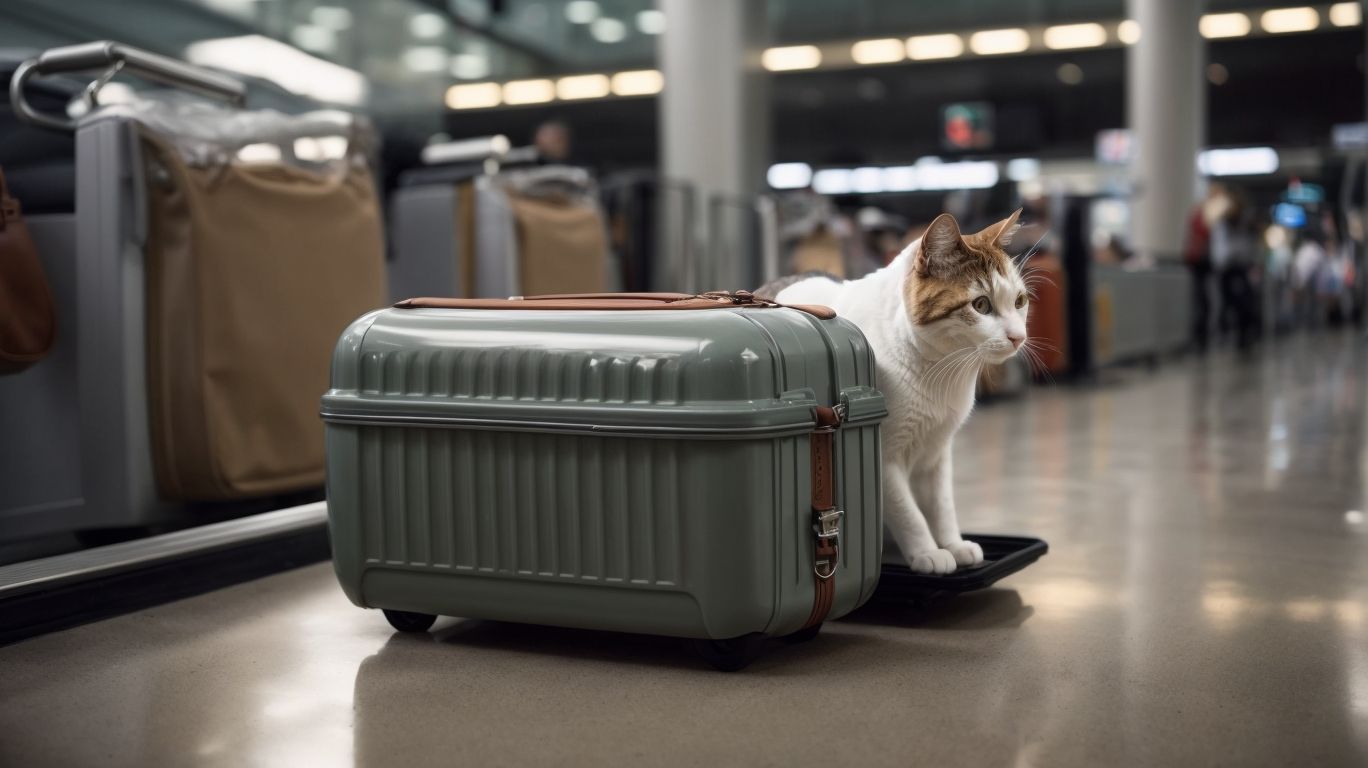


Are you a cat owner planning to travel with your feline friend by air? If so, you’ve come to the right place. In this comprehensive guide, we will walk you through everything you need to know about cat air travel, from understanding the costs associated with shipping your cat as cargo to essential preparation tips for a smooth and stress-free journey.
We’ll delve into the factors affecting cat shipping costs and provide you with practical advice on how to calculate and reduce these expenses. We’ll offer valuable insights into booking your cat on a flight, preparing your cat for travel, and selecting the right carrier and accessories. Navigating the airport with your cat and understanding airline requirements and regulations for cat air travel will also be covered. By the end of this article, you’ll be equipped with the knowledge and resources needed to ensure a safe and comfortable air travel experience for your beloved cat. So, let’s get started on this exciting journey together!
Key Takeaways:
Planning a cat’s journey by air involves numerous considerations, including cargo costs, carrier preparations, and compliance with airline regulations, all of which are crucial to ensuring a safe and stress-free travel experience.
One of the primary factors to consider when planning your cat’s air travel is cargo costs. Different airlines have varying policies and rates for animal transportation, and it’s essential to research and compare the prices to find the most suitable option for your budget.
Along with cost, preparing the carrier and ensuring your cat’s comfort during the journey are vital aspects. The carrier should be spacious enough for the cat to stand, turn around, and lie down comfortably. Placing familiar items such as blankets, toys, and a piece of your clothing inside the carrier can help reduce the stress of travel.
It’s important to comply with airline regulations regarding pet travel. Each airline has specific requirements for pet carriers, documentation, and health certificates, which must be adhered to in order to avoid any issues during the journey. Ensuring that all necessary vaccinations and paperwork are up to date is crucial for a seamless travel experience.
Understanding Cat Shipping Costs
Understanding cat shipping costs involves considering various factors such as the destination, mode of transportation, and any additional services required, all of which contribute to the overall expenses of the journey.
Factors Affecting Cat Shipping Cost

The cost of shipping a cat can be influenced by various factors, including the distance of the journey, required health certifications, and the specific transportation mode chosen for the travel.
Travel distance plays a pivotal role in determining the overall cost of shipping a cat. Longer distances may involve higher costs due to increased fuel expenses and potential accommodations for overnight stays. The need for health certifications and documentation must not be overlooked. These certifications, usually consisting of health checks and vaccinations, are necessary for compliance with regulations and ensuring the well-being of the cat during transit.
The choice of transportation mode, whether it’s air, ground, or sea, can significantly impact the shipping expenses. Each mode has its own associated costs and considerations, contributing to the overall price of cat transportation.
Calculating the Cost of Shipping a Cat
Calculating the cost of shipping a cat involves careful consideration of the chosen airline, required preparations, and any supplementary services, all of which contribute to the overall expenses incurred for the journey.
When determining the shipping costs for a cat, airline selection plays a significant role. Different airlines have varying pet travel policies, restrictions, and pricing models. It’s essential to research and compare the options to find the best fit for both your feline companion and your budget.
Necessary preparations such as health certifications, travel crates, and compliance with regulations add to the overall expenses. Considering potential additional services like pet handling assistance or custom travel accommodations can also influence the final cost.
Tips for Reducing Cat Shipping Cost
Reducing cat shipping costs can be achieved through strategic planning, considering alternative routes, and exploring cost-effective pet insurance options, all of which contribute to mitigating the overall expenses of the journey.
Strategic planning plays a crucial role in cost reduction. By carefully scheduling and choosing the most efficient and cost-effective routes, pet owners can significantly minimize transportation expenses. Investing in pet insurance can provide financial protection against unforeseen events or health issues during the journey, easing worries about potential veterinary costs.

Measures such as acclimating the cat to its carrier, providing familiar bedding, and incorporating calming products or pheromones can help reduce stress , promoting a smoother and more comfortable travel experience for the feline companion.
Booking and Preparing Your Cat for Air Travel
Booking and preparing your cat for air travel involves careful attention to airline regulations, documentation requirements, and ensuring the pet’s comfort and well-being throughout the journey, all of which are essential for a smooth travel experience.
Before booking a flight, it’s crucial to check the airline’s specific policies regarding pet travel. Most airlines require a health certificate issued by a veterinarian within a certain timeframe before the trip. Some may have restrictions on the type of carrier allowed and specific rules for in-cabin or cargo travel.
Once the flight is booked, it’s essential to prepare the cat’s carrier with familiar bedding, toys, and a piece of your clothing to provide comfort and familiarity during the journey.
Booking Your Cat on a Flight
Booking your cat on a flight involves careful consideration of the airline’s pet travel policies, required documentation, and any specific preparations or accommodations needed for a seamless airport arrival and boarding process.
Each airline has its own pet travel policies and restrictions, so it’s essential to research and understand these before making a reservation. Documentation requirements typically include a recent health certificate from a veterinarian and proof of vaccinations.
Before the trip, it’s crucial to acclimate your cat to the travel carrier, ensuring they are comfortable and secure. On the day of the flight, arrive at the airport early to allow sufficient time for check-in and security procedures. When boarding, follow the airline’s instructions for transporting your pet and settling them into their designated area. By preparing in advance and following the airline’s guidelines, you can ensure a smooth and stress-free travel experience for your feline companion.
Preparing Your Cat for Travel
Preparing your cat for travel involves obtaining the necessary health certificates, ensuring a suitable pet carrier, and implementing stress-reducing measures to ease the pet’s journey preparations and minimize travel-related anxiety.

Before embarking on the journey, ensuring your cat’s health and vaccinations are up to date is crucial. Schedule a visit to the veterinarian to acquire a health certificate, ensuring that all necessary vaccinations and paperwork are in order. Your veterinarian may also recommend measures to manage your cat’s anxiety during travel, such as pheromone sprays or calming treats.
Choosing the right pet carrier is essential. Opt for a carrier that is spacious enough for your cat to stand, turn around, and lie down comfortably. Ensure proper ventilation and consider lining the carrier with familiar bedding to provide a sense of security.
Introducing your cat to the carrier well in advance of the trip can help alleviate their anxiety. Leave the carrier open in a familiar environment and gradually encourage your cat to explore and spend time inside it. This familiarization process can significantly reduce stress on the day of travel.
Choosing the Right Carrier and Accessories
Choosing the right carrier and accessories for your cat’s air travel entails evaluating factors such as size, weight, and seasonal considerations to ensure the pet’s comfort and safety throughout the journey.
When selecting a carrier, it’s essential to measure your feline friend for a proper fit, allowing enough room for them to stand, turn around, and lie down comfortably. The weight of the carrier is crucial too, as airlines often have specific weight limits for in-cabin pet carriers.
For seasonal considerations, ventilation becomes paramount during warmer months, while insulation and cozy padding help during colder seasons.
Investing in travel accessories like spill-proof water bowls, absorbent bedding, and familiar toys can offer reassurance and comfort for your cat during transit. These small details contribute significantly to reducing your pet’s stress levels and make them feel more at ease, enhancing their overall well-being.
Best Cat Carriers for Flying
Identifying the best cat carriers for flying involves assessing various factors, such as size compatibility, weight capacity, and stress-reducing features, to ensure the pet’s comfort and security during the air travel journey.
When selecting a cat carrier for air travel, it’s crucial to consider its size to ensure that it meets the airline’s regulations for in-cabin or cargo hold transportation. Optimal carriers should provide enough space for the cat to stand, turn around, and lie down comfortably. Weight considerations are also important, as carriers must comply with the airline’s weight restrictions to avoid additional fees or rejection. Stress-mitigating features like comfortable bedding, good ventilation, and secure locking systems play a vital role in promoting the cat’s well-being during the journey.
Essential Cat Travel Accessories
Acquiring essential travel accessories for your cat encompasses items such as comforting bedding , stress-reducing aids, and seasonally appropriate provisions, all of which contribute to enhancing the pet’s comfort and well-being during air travel.
Comforting bedding plays a crucial role in providing a familiar and secure space for your cat during travel. Opt for plush, machine-washable bedding to offer warmth and comfort. Stress-alleviating aids like calming pheromone sprays or anxiety-relieving music can assist in soothing your pet during the journey.
When traveling during colder seasons, carry insulated carriers or heated mats to ensure your feline companion’s comfort. In warmer climates, provide cooling pads or portable fans to keep your pet relaxed.
Getting Your Cat Through the Airport and On the Plane
Navigating the airport with your cat and boarding the plane involves adhering to airline regulations , mitigating travel-related stress, and ensuring the pet’s comfort and safety during the various stages of the travel process.
When preparing for air travel with a feline companion, it’s essential to contact the airline in advance and familiarize yourself with their pet travel policies. This typically includes ensuring that your cat is in an approved carrier and has all necessary vaccinations and health certificates. Throughout the airport experience, keeping your cat calm is important to minimize stress, so consider using calming pheromone sprays or products and maintaining a comforting presence.
Onboard the plane, following airline guidelines for pet placement under the seat in front of you is crucial. Remember to provide ample water and encourage your cat to remain relaxed. Ensuring your cat has familiar items, like a favorite blanket or toy, can help create a sense of ease during the flight.
Navigating the Airport with Your Cat
Successfully navigating the airport with your cat involves meticulous preparation, adherence to travel regulations, and implementing stress-reducing measures to ensure a smooth and comfortable airport experience for the pet.
Before the travel day, it’s essential to contact the airline to confirm their specific pet travel policies and any required documentation. Acquiring a suitable cat carrier that complies with airline and TSA regulations is crucial.
Introduce your cat to the carrier gradually, making it a comfortable and familiar space. Familiarize yourself with the airport layout and pet relief areas, minimizing any potential stress for your cat during layovers or waiting times.
Boarding the Plane with Your Cat
Boarding the plane with your cat entails following airline protocols, ensuring the pet’s comfort, and complying with any documentation or sedation requirements, all of which contribute to a smooth and stress-free boarding process for the pet.
Before making any travel arrangements, it’s crucial to research and understand the specific regulations and guidelines enforced by the airline for traveling with pets. Each airline may have its own set of rules regarding the types of carriers allowed, documentation required, and sedation policies. Being aware of these regulations is vital to prevent any last-minute issues during the boarding process.
To ensure the cat’s comfort, select a suitable travel carrier that complies with the airline’s size and safety standards. The carrier should provide ample space for the cat to move around, lie down, and access food and water. Familiarizing the cat with the carrier beforehand can help ease their anxiety and make them more comfortable during the journey.
Documentation is an essential aspect of flying with a cat. It may involve obtaining a health certificate from a veterinarian, updating the cat’s vaccinations, and securing any relevant permits or paperwork required by the airline or destination. Missing or incomplete documentation could lead to denial of boarding, so it’s essential to organize and prepare all necessary paperwork well in advance.
Regarding sedation, it’s advisable to consult with a veterinarian to determine if the cat will benefit from any calming medication during the flight. Sedation should only be administered under the guidance of a professional, taking into account the cat’s health, age, and stress levels. Always prioritize the well-being of the cat and adhere to the veterinarian’s recommendations for a safe and comfortable journey.
Airline Requirements and Regulations for Cat Air Travel
Understanding airline requirements and regulations for cat air travel is essential for navigating the booking process, ensuring compliance with documentation, and addressing any specific breed restrictions or quarantine protocols relevant to the journey.
When planning to travel with a cat by air, it’s crucial to familiarize yourself with the pet travel regulations set by the airlines. This involves not only booking the flight, but also ensuring that all the necessary documentation for your feline companion is in order.
Being aware of any breed-specific restrictions or quarantine provisions is vital to avoid any last-minute complications during the journey. Airlines typically have stringent requirements to promote the safe and comfortable travel of pets, and understanding these regulations can help pet owners plan ahead effectively.
Airline Policies for Cabin Travel with Cats
Familiarizing yourself with airline policies for cabin travel with cats involves understanding
- health certification requirements
- vaccination provisions
- and necessary preparations for a smooth and compliant cabin travel experience with your pet.
Health certification prerequisites may vary among airlines, but typically, a recent health certificate from a licensed veterinarian is required to confirm that your cat is fit to travel. It’s essential to check the specific timeframe for the certificate’s validity as many airlines require it to be issued within a certain number of days before the travel date. Vaccination mandates typically include up-to-date rabies vaccinations, with some airlines also requiring vaccinations for other common feline diseases.
To ensure a seamless journey, consider acclimating your cat to their carrier well in advance and providing familiar items, such as blankets or toys, to make the travel experience as comfortable as possible.
Emotional Support Animal Guidelines
Navigating emotional support animal guidelines involves adhering to airline regulations, preparing the pet for travel, and ensuring compliance with all necessary documentation and sedation requirements for a stress-free and comfort-centric journey.
Before embarking on a trip with an emotional support animal, it’s crucial to acquaint oneself with the specific airline policies and any destination-related regulations. This includes understanding the types of animals allowed, size and weight restrictions, and the need for prior notification and approval. Preparation for the pet’s travel experience should encompass acclimatization to the carrier or crate, ensuring access to food and water, and planning for bathroom breaks during layovers or flights.
The fulfillment of documentation prerequisites cannot be overstated; this entails having the ESA letter from a licensed mental health professional asserting the need for the animal’s presence, as well as any additional forms or certificates mandated by the airline or travel destination. It’s essential to keep all paperwork readily accessible and to bring duplicates as a precaution.
Regarding sedation, consulting a veterinarian to assess the animal’s suitability for sedatives and dosages is imperative. It’s vital to consider the potential effects of sedation during air travel and to follow the prescribed administration guidelines to ensure the animal’s comfort and well-being throughout the journey. By adhering to these considerations, travelers can navigate the emotional support animal guidelines with confidence and ensure a smooth travel experience for both themselves and their cherished companions.
Conclusion and Additional Cat Air Travel Resources
In conclusion, thorough planning , compliance with regulations, and prioritizing the pet’s well-being are essential for a successful and stress-free cat air travel experience, while exploring additional resources can further enhance the journey’s comfort and safety for the feline companion.
When planning your cat’s air travel, it’s crucial to make arrangements well in advance. Contact the airline and relevant authorities to understand the regulations and requirements for traveling with a pet. Ensure that the necessary paperwork, such as health certificates and identification tags, is in order.
Prioritizing your cat’s comfort during the journey is equally important. Invest in a comfortable and secure pet carrier and familiarize your feline friend with it before the trip to minimize anxiety. Considering sedation or natural calming aids may be beneficial for particularly nervous cats. Exploring resources such as professional pet relocation services, pet-friendly accommodations, and vet recommendations in the destination can contribute significantly to a smooth and enjoyable travel experience.
Frequently Asked Questions
What is the cost of shipping a cat as cargo on a plane?
The cost of shipping a cat as cargo on a plane varies depending on the airline, distance traveled, and size/weight of the cat. It can range from $100 to $1000.
Can I bring my cat in the cabin with me on a plane?
Most airlines do not allow cats to travel in the cabin, except for certified service animals. Cats are typically transported as cargo in a specialized pet travel crate.
How do I prepare my cat for air travel as cargo?
It is important to acclimate your cat to their travel crate by slowly introducing it to them in the weeks leading up to the flight. Make sure they are comfortable and have enough space to stand up and turn around in the crate.
What documents do I need to provide for my cat to travel as cargo?
You will need a health certificate from your veterinarian stating that your cat is in good health and fit to travel. Some countries may also require additional paperwork, so be sure to check with your airline and destination requirements.
Are there any weight and size restrictions for cats traveling as cargo?
Yes, most airlines have weight and size restrictions for pets traveling as cargo. Your cat’s crate must be large enough for them to stand up and turn around in comfortably and should not exceed the weight limit set by the airline.
What can I do to ensure my cat’s safety and comfort during air travel as cargo?
Make sure to pack enough food, water, and any necessary medications for your cat in case of delays. Also, provide familiar items such as a blanket or toy to help them feel more at ease. It’s also important to choose a reputable and pet-friendly airline for your cat’s journey.

Guiding SEO strategies for nationwide pet transportation services. With a wealth of experience in marketing, committed to showcasing safe and reliable pet transport options across the USA.